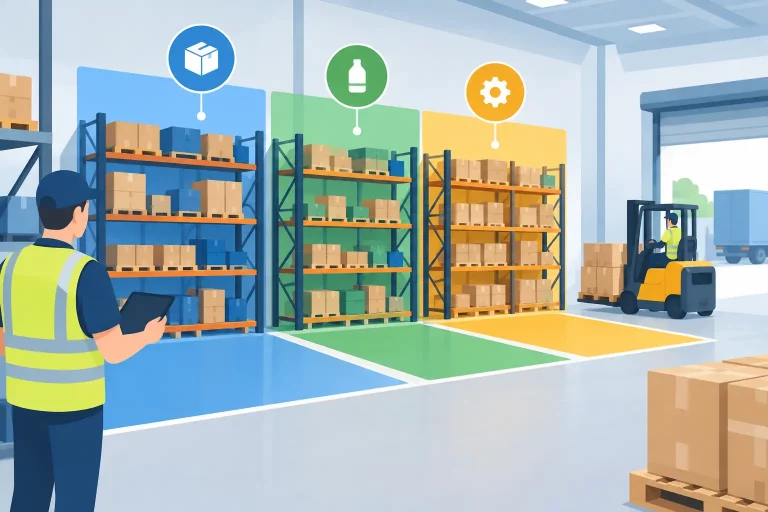
Wholesale orders become expensive when they arrive through email threads, phone calls, spreadsheets, and account manager notes. The most valuable b2b order portal benefits come from replacing that manual intake process with a controlled buying experience connected to live inventory, pricing, and fulfillment operations.
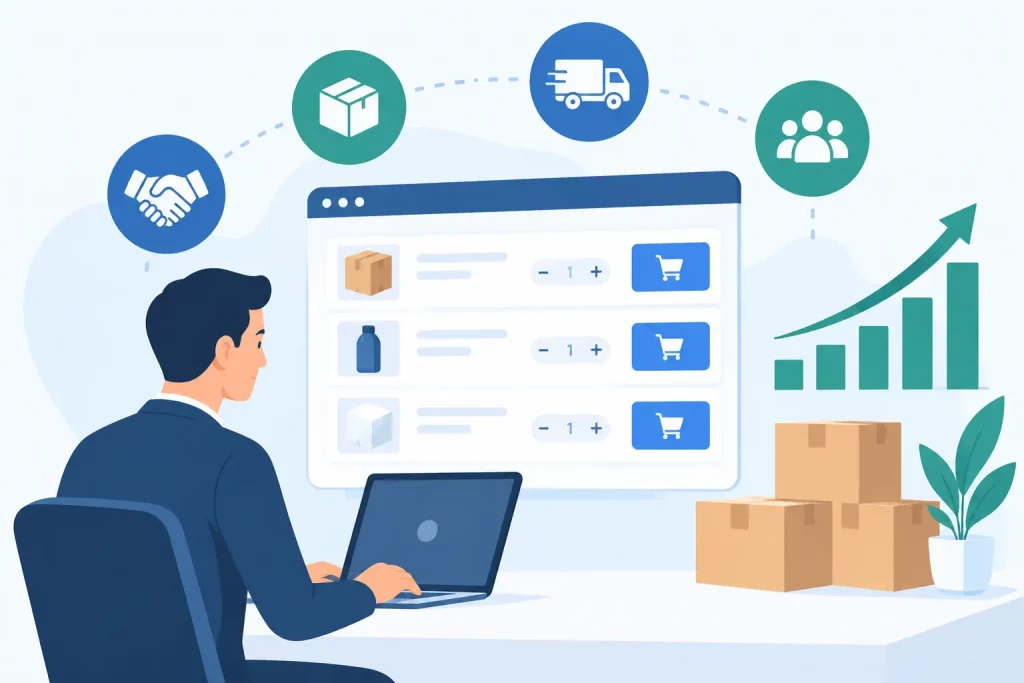
For a growing seller, a portal is not simply another sales channel. It is an operational layer between wholesale customers and the systems that run the business. When customers can place accurate orders on their own terms, sales teams spend less time correcting details, warehouse teams receive cleaner work, and inventory planners have a more reliable view of demand.
What a B2B order portal changes in wholesale operations
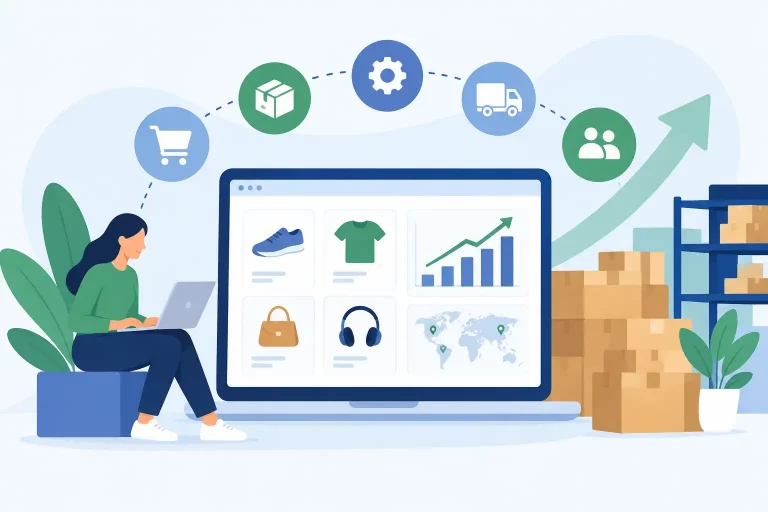
A B2B order portal gives approved business customers a secure place to browse products, view their assigned prices, submit orders, review order history, and manage account details. The customer sees the catalog and terms relevant to their account rather than a one-size-fits-all retail storefront.
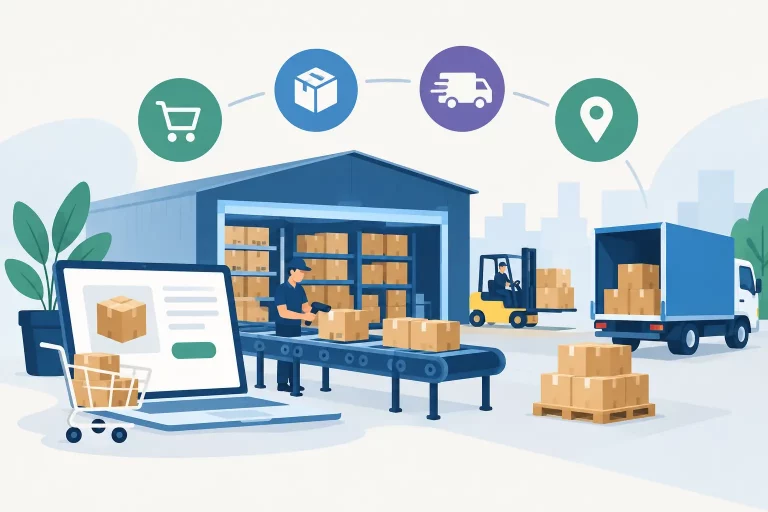
The operational value comes from what happens behind the screen. A well-connected portal should pass orders into the same order management workflow used for other channels, check available inventory before an order is accepted, and provide fulfillment teams with complete, structured order data.
That matters most for merchants selling across marketplaces, direct-to-consumer stores, and wholesale accounts at the same time. Stock committed to a wholesale buyer affects what can be sold on Amazon, Shopify, eBay, Walmart, or another channel. Without centralized inventory control, the portal can create more demand but also more overselling risk.
The core B2B order portal benefits
Faster ordering without constant sales-team intervention
Wholesale customers often know what they need. They may reorder the same SKUs every month, replenish fast-moving products by location, or place seasonal orders from an agreed assortment. Requiring them to email a purchase order and wait for someone to enter it introduces delay at every step.
A portal lets buyers place orders when it suits their purchasing schedule. They can search by SKU, review product information, reorder from prior purchases, and submit an order without waiting for a representative to respond. Sales teams can then focus on account growth, pricing discussions, new product introductions, and exceptions that actually require judgment.
The result is not necessarily fewer sales conversations. It is better use of those conversations. Routine order entry should not consume the same time as strategic account management.
Fewer pricing, quantity, and catalog errors
Manual wholesale ordering creates predictable mistakes: an outdated price sheet gets used, a discontinued item is requested, a case quantity is misunderstood, or an order is entered with the wrong shipping address. Each correction takes time and can delay fulfillment.
A portal applies account-specific rules at the point of purchase. Different customer groups can see different price lists, assortments, minimum order values, payment terms, or quantity requirements. This is particularly useful for businesses with distributors, retailers, resellers, and corporate buyers who should not all receive the same terms.
Controlled catalog access also protects margins. Rather than distributing spreadsheets that can be forwarded, edited, or used after pricing changes, the business maintains current information in one place. Customers see the product and price they are authorized to buy when they place the order.
Better inventory accuracy across every channel
Inventory visibility is one of the strongest reasons to connect a B2B portal to commerce operations software. A wholesale buyer should not be able to order stock that has already been sold, reserved, damaged, or transferred to another warehouse.
When inventory is synchronized across channels, the portal reflects a more accurate sellable quantity. When an order is placed, stock is allocated or reserved according to the business’s fulfillment rules. That gives warehouse teams a clearer order queue and helps inventory planners identify demand before it becomes a stockout.
There is a practical trade-off here. Some wholesalers prefer to accept backorders or allow key accounts to order beyond currently available stock. The right portal should support those policies intentionally, not by accident. The goal is not to block every exception. It is to make inventory commitments visible and manageable.
Cleaner fulfillment and faster shipping
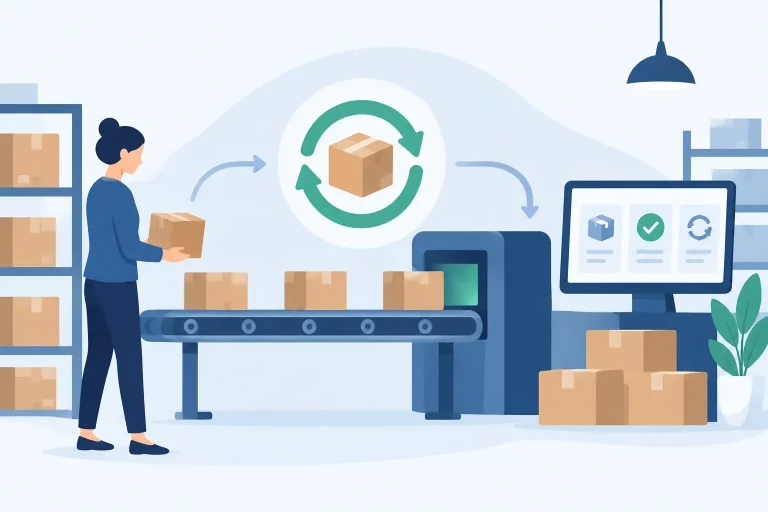
Warehouse performance improves when orders enter the system in a consistent format. There is no need for staff to interpret email instructions, chase missing addresses, or rekey line items from a PDF. The order can move directly into picking, packing, shipping, and tracking workflows.
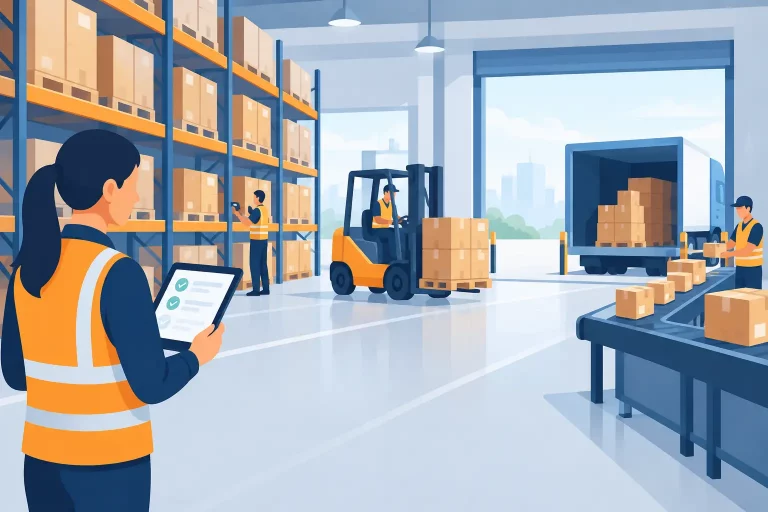
This is especially valuable for sellers shipping from multiple locations. The system can apply routing logic based on available stock, warehouse rules, customer location, or service level. Operations teams can ship from the most appropriate location while retaining a complete record of the order and its fulfillment status.
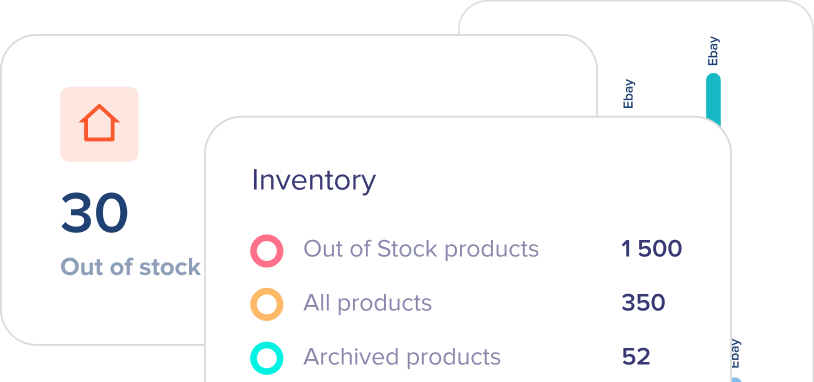
For wholesale customers, visibility after checkout matters as much as ordering speed. Portal access to order status, shipment tracking, invoices, and previous purchases reduces the volume of routine “where is my order?” requests. It also gives buyers confidence that their replenishment orders are moving as expected.
Stronger customer self-service without losing control
Business buyers expect a buying experience that is easier than sending an email but more controlled than a public retail site. They need access to their own products, pricing, order records, documents, and sometimes multiple users within the same organization.
Self-service helps customers work faster, but it should not remove internal controls. Approval workflows, account permissions, credit limits, payment options, and order minimums may still be necessary. A retailer may allow store managers to build an order while requiring a purchasing manager to submit it. A distributor may receive net terms while a new account pays by card.
The portal should reflect how the wholesale relationship actually works. If every account has unusual rules, forcing all buyers through the same process can create friction. If every exception is handled manually, the portal loses much of its efficiency. The best setup standardizes the repeatable work and reserves exceptions for review.
Where portals deliver the greatest return
Not every wholesale business needs the same portal configuration. The return is typically strongest when order volume is high, accounts reorder frequently, pricing varies by customer, or internal staff spend significant time processing routine orders.
A portal is also useful when product data is complex. Merchants with variants, case packs, bundles, warehouse-specific availability, or a large SKU catalog need a more reliable way for customers to find and order the correct items. In these cases, a searchable, controlled catalog can reduce costly mistakes before they reach the warehouse.
For multichannel merchants, the biggest return may come from centralization rather than the portal interface itself. A portal connected to fragmented inventory and shipping tools only shifts manual work downstream. A portal connected to centralized orders, inventory, purchasing, and fulfillment gives the business one operating view of demand and stock movement.
Requirements before launching a B2B portal
A portal should be implemented as an operations project, not just a storefront project. Start with clean product data, current pricing rules, customer account records, inventory locations, and defined fulfillment policies. If SKU data, units of measure, or customer terms are inconsistent, the portal will expose those issues quickly.
Decide how the business will handle inventory allocation, backorders, credit approval, returns, and customer-specific shipping requirements. These rules do not need to be overly complex, but they need to be clear. A buyer should know what happens after an order is submitted, and internal teams should not need to invent a process for every order.
It is also worth piloting the portal with a small group of established accounts. Their feedback will reveal whether product search works, whether reorder flows are useful, and whether the information shown matches how they buy. A thoughtful launch is usually more valuable than opening the portal to every customer before the workflows are ready.
A portal works best as part of the operating system
The strongest B2B order portal benefits appear when the portal is connected to the systems responsible for inventory, orders, warehouse activity, shipping, purchasing, and accounting. Otherwise, the business still spends time transferring data and reconciling different versions of the truth.
Platforms such as eSwap help merchants bring those workflows together, so wholesale orders can be managed alongside marketplace and direct-to-consumer activity rather than in a separate process. That level of control helps teams scale order volume without scaling manual coordination at the same rate.
The practical test is simple: if a customer can place an order in minutes, can your operation fulfill it with the same accuracy and visibility? When the answer is yes, the portal becomes more than a buying tool. It becomes a dependable part of how the business grows.