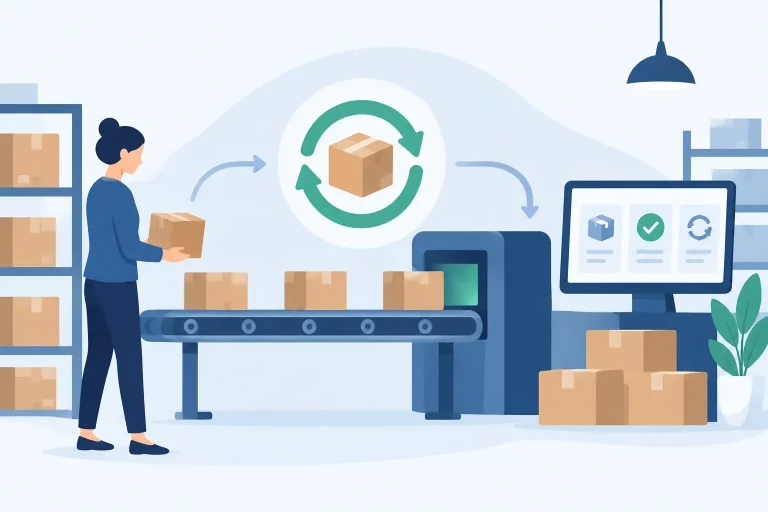
A return that arrives without a clear order history, item condition, or warehouse destination creates more than a customer service task. It creates a stock accuracy problem, a refund risk, and a potential listing error across every sales channel. Effective returns management for multichannel sellers gives operations teams control over that chain of events before a returned unit becomes an untraceable cost.

For businesses selling through marketplaces, direct-to-consumer storefronts, and wholesale channels, returns cannot be managed as a separate inbox or a pile of packages at the receiving dock. The return process has to connect to the original order, payment, inventory location, product condition, and next disposition. Otherwise, teams spend time searching across systems while inventory and customer expectations remain unresolved.
Why Multichannel Returns Become an Operations Problem
Each channel has its own rules. A marketplace may initiate a return automatically, a Shopify customer may request one through a portal, and a wholesale buyer may return goods against a purchase agreement. Refund timing, return windows, shipping labels, reason codes, and seller responsibilities can differ by channel.
The difficulty grows after the package arrives. A returned item may be sellable, damaged, incomplete, expired, or sent back incorrectly. If the receiving team restores it to available inventory before inspection, the business can resell an unsellable unit. If the team waits too long to update stock, sellable inventory remains unavailable while demand continues elsewhere.
Disconnected tools make this worse. One system holds the order, another processes the refund, a warehouse spreadsheet tracks the package, and a marketplace account carries the customer-facing status. That fragmentation delays decisions and makes it hard to measure the true cost of returns by SKU, channel, supplier, or fulfillment method.
Returns Management for Multichannel Sellers Starts With One Record
A controlled return begins with a single return record tied to the original transaction. That record should identify the order number, sales channel, customer, SKU, quantity, return reason, requested resolution, shipping status, and receiving location. Operations teams should not need to reconstruct this information from emails or carrier scans.
Centralizing the record does not mean every return follows the same policy. It means every policy can be executed from the same operational view. A high-value electronics item may require serial number verification. Apparel may be restocked only if tags are intact. Wholesale returns may require approval before a label is issued. The workflow should support those differences without forcing teams into manual exceptions.
The original order is also the source of truth for financial decisions. A return should confirm what was purchased, what was actually shipped, whether a discount was applied, and whether the item was already refunded or replaced. This prevents duplicate refunds and reduces disputes when customers return only part of a multi-item order.
Build a Return Workflow That Protects Inventory
The most effective return workflows separate authorization, transit, receiving, inspection, and disposition. Combining these stages can save a few clicks early on, but it often creates expensive errors later.
Authorize returns with clear rules
Set return eligibility by channel, product type, order age, and fulfillment status. The goal is not to make legitimate returns difficult. It is to ensure the request is evaluated against the correct policy before inventory movement or refund activity begins.
Capture standardized reason codes at this stage. “Changed mind” and “arrived damaged” should not be buried in free-form notes. Consistent reasons allow operators to identify recurring product, packaging, supplier, or listing issues. They also help distinguish customer preference returns from fulfillment mistakes.
Receive returns into a controlled location
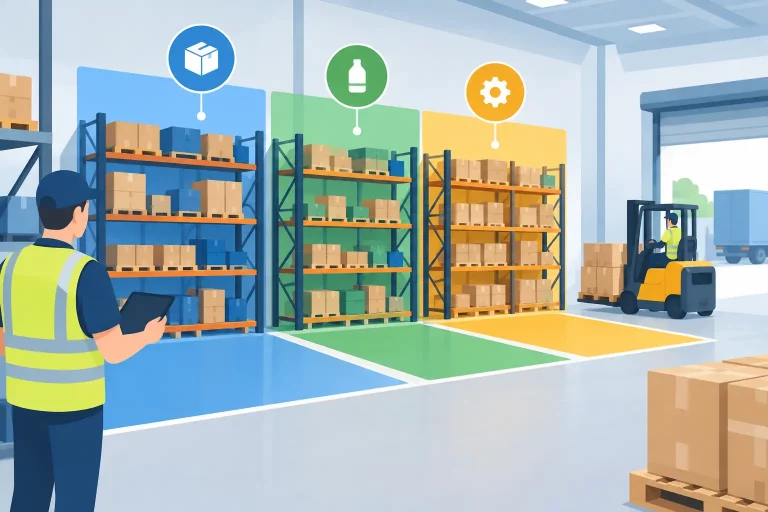
A returned unit should first land in a designated returns or quarantine location, not in sellable inventory. This protects available-to-sell counts while the team verifies condition and contents. For merchants with multiple warehouses, the return destination should be selected deliberately based on where inspection capacity, refurbishment capability, or future demand exists.
Carrier tracking can provide useful advance notice, but a delivered scan is not the same as a completed receiving transaction. Inventory should change only when the warehouse confirms what physically arrived. That distinction matters when customers send the wrong item, return an empty box, or ship multiple items under one label.
Inspect before assigning a disposition
Inspection should answer simple operational questions: Is the item the correct SKU? Is it complete? Is it sellable? Does it need repair, repackaging, liquidation, supplier return, or disposal?
Disposition codes make these decisions visible and repeatable. A unit that passes inspection can move from quarantine to available stock. A damaged unit can move to a non-sellable location and trigger a claim or vendor process. A unit needing refurbishment can be held separately until the required work is complete. The key is to record each movement so inventory reports reflect physical reality.
Release refunds at the right point
Refund timing depends on the channel, policy, and customer experience standard. Some businesses refund when the carrier accepts the return, while others wait for inspection. Faster refunds can improve customer satisfaction, but they increase exposure when items are missing or materially damaged. Waiting for receipt protects margin, but can create more support contacts.
There is no universal answer. The practical approach is to apply different rules by product risk and channel requirements, then automate the status changes that trigger the correct financial action. A low-cost apparel return may qualify for a refund on first carrier scan. A high-value serialized product may require warehouse verification.
Use Return Data to Fix the Cause, Not Just Process the Package
A return rate alone does not tell an operations team what to change. Teams need to see returns by channel, SKU, variant, supplier, warehouse, reason code, and fulfillment method. A product with a normal overall return rate may have a serious problem on one marketplace because the listing imagery, sizing information, or bundled components differ.
Look for patterns that point to operational causes. A rise in “wrong item received” may indicate poor pick-path design, unclear bin labels, or barcode gaps. An increase in damage claims from one warehouse may point to packaging materials or carrier handling. Frequent returns for inaccurate descriptions may belong with the catalog team rather than the fulfillment team.
This is where centralized commerce operations matter. Inventory, order, shipping, catalog, and warehouse data should be reviewed together. When each function works from its own report, businesses can see the symptom without seeing the cause.
Automate Exceptions Without Hiding Them
Automation should remove repetitive work, not make high-risk returns invisible. Rules can assign return destinations, create inspection tasks, update inventory statuses, notify customer service, and route refunds based on approved conditions. These workflows reduce processing time and keep teams from relying on memory.
At the same time, managers need an exception queue. Returns with mismatched SKUs, missing serial numbers, late delivery, high refund values, repeat customer activity, or marketplace disputes should be visible for review. The right system handles routine returns quickly while directing attention to cases that need judgment.
eSwap supports this operational model by bringing orders, inventory, warehouse activity, shipping, and multichannel workflows into one platform. That makes it easier to track returned stock from the first request through inspection and final disposition without relying on disconnected tools.
Measure What Actually Affects Margin and Service
Return performance should be measured beyond the total number of packages received. Start with return rate by channel and SKU, then track return reason distribution, time from request to authorization, time from delivery to inspection, refund cycle time, restock recovery rate, and the value of inventory written off.
These measures reveal trade-offs. A faster refund process may improve customer satisfaction while lowering recovery rates if inspections are delayed. A strict authorization policy may reduce fraud but increase support workload. A centralized returns facility may improve inspection consistency but add transit time. Operations leaders need enough visibility to choose deliberately rather than react to complaints.
Set service-level targets for each stage, especially warehouse receiving and inspection. A returned item that sits for five days before inspection ties up inventory and delays customer resolution. Clear targets create accountability and help teams plan labor around predictable return volumes after major promotions, holidays, and seasonal peaks.
Make Returns Part of Your Inventory Strategy
Returns are inventory events, not an afterthought to fulfillment. When every return is connected to the order, warehouse location, item condition, channel policy, and financial outcome, the business can move faster without losing control. The practical goal is simple: restore sellable stock quickly, isolate questionable units immediately, and give customers a clear resolution without creating hidden work for the team.
As channels, warehouses, and order volume increase, that discipline becomes a competitive advantage. A return process that is visible, rule-based, and connected to inventory helps protect margin while giving the operation the control it needs to keep growing.