If your sales channels are moving faster than your books, the problem usually is not accounting. It is operations. Ecommerce accounting integration software matters because every order, refund, fee, tax, shipping charge, and inventory movement has to land in the right place without forcing your team to rebuild the story by hand at the end of the month.
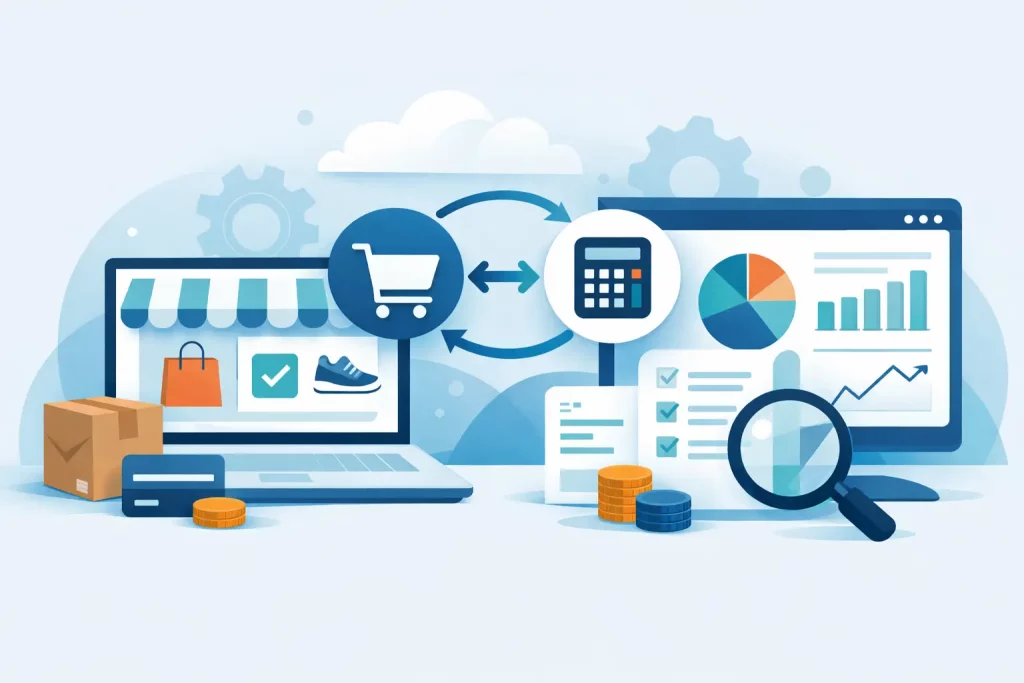
For multichannel sellers, that pressure compounds quickly. One marketplace handles fees one way, another splits payouts differently, and your direct store may create a completely separate flow for taxes, discounts, and shipping revenue. When accounting lives in one system and commerce activity lives in five others, delays and errors are not edge cases. They become normal operating conditions.
What ecommerce accounting integration software actually does
At a basic level, ecommerce accounting integration software connects your selling channels and operational systems to your accounting platform so financial data moves automatically. But the real value is not just data transfer. It is structure.
A useful integration does more than push daily sales totals into the ledger. It helps map orders, payouts, fees, tax liabilities, refunds, purchasing activity, and inventory values in a way your finance team can trust. That distinction matters. If the software only moves numbers without context, your team still ends up cleaning, reconciling, and correcting the output.
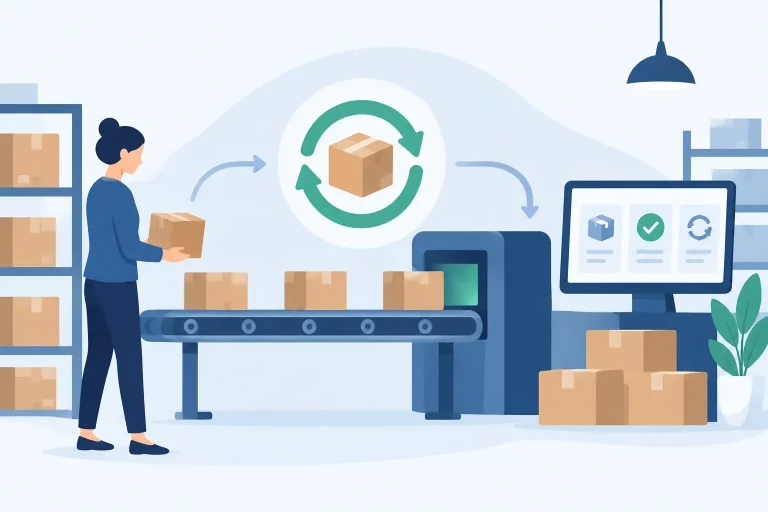
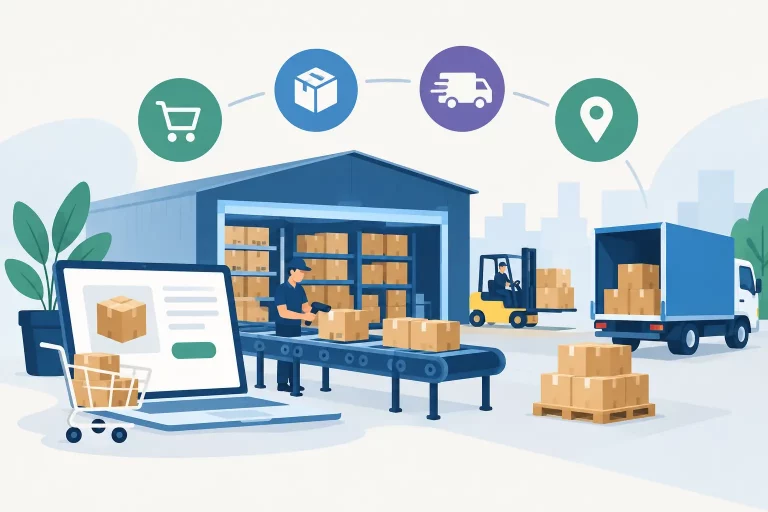
The strongest setups connect commerce operations to accounting through a controlled workflow. Orders flow from sales channels into a central system. Inventory updates stay aligned across channels. Shipping and fulfillment activity is captured in the same operational environment. Then accounting receives clean, categorized records based on rules instead of manual interpretation.
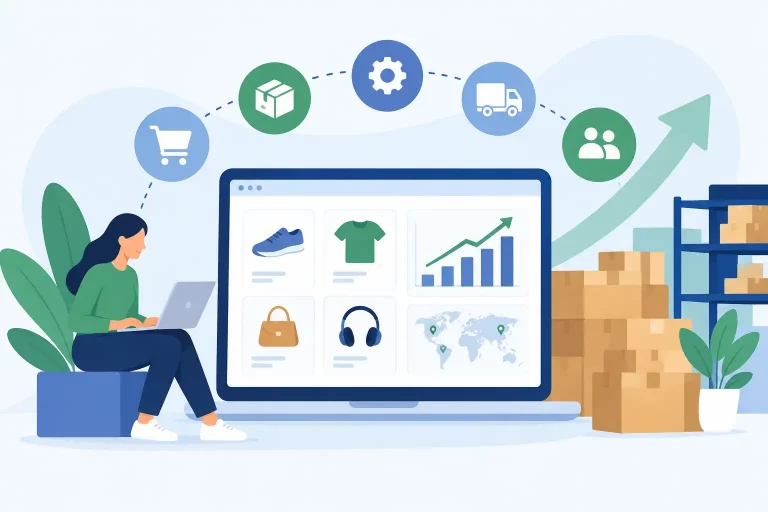
That is especially valuable for businesses selling across Amazon, eBay, Shopify, Walmart, wholesale portals, and other channels at the same time. Once volume increases, disconnected exports and spreadsheet-based reconciliation stop being a minor inconvenience and start slowing down fulfillment, purchasing, and reporting.
Why disconnected systems create accounting problems
Most sellers do not start with a systems problem. They start with a growth problem. They add channels, products, warehouses, staff, and software, then discover that each addition creates another handoff.
The accounting team may get accurate data eventually, but not quickly enough to support decisions. Operations may know what shipped, but not how that impacts margins by channel. Inventory may look healthy in one dashboard while accounting is still carrying outdated cost assumptions. By the time the month closes, leadership is looking at numbers that explain the past but do not help control the present.
This is where ecommerce accounting integration software earns its place. It reduces the gap between what happened operationally and what gets recorded financially. That means fewer timing mismatches, fewer duplicate entries, and fewer cases where someone has to trace a discrepancy back through orders, marketplace statements, and warehouse activity.
There is also a practical labor issue. Manual reconciliation does not scale well. It absorbs experienced staff time, increases dependence on tribal knowledge, and creates risk when key team members are out or leave. Automation is not just about speed. It is about making the process consistent enough that your business is not held together by one spreadsheet expert.
What to look for in ecommerce accounting integration software
Not all integrations solve the same problem. Some focus narrowly on syncing summary sales data into accounting. That may be enough for low-volume sellers with simple channel mixes. For businesses managing multichannel inventory, fulfillment, purchasing, and wholesale activity, it usually is not enough.
The first thing to evaluate is data depth. Can the software capture orders, returns, taxes, fees, shipping charges, and payouts in a way that supports real reconciliation? If your books still require manual adjustments for common transaction types, the integration is only doing part of the job.
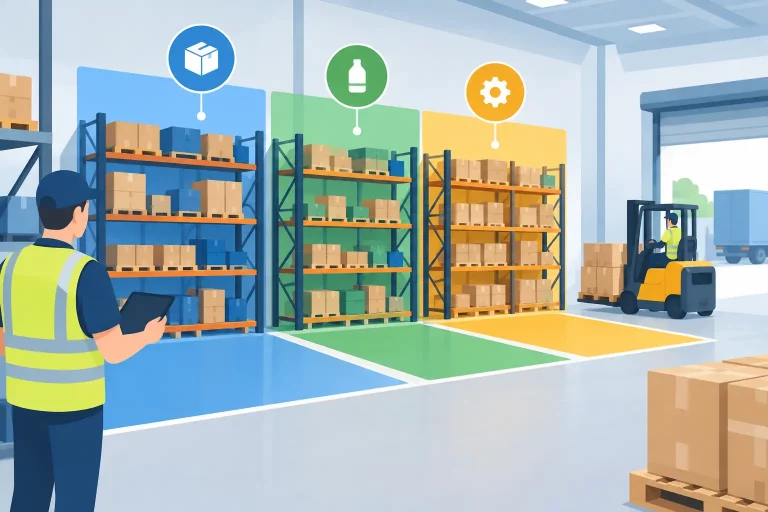
Next is inventory and cost visibility. Accounting accuracy depends heavily on inventory accuracy, especially when businesses are buying across suppliers, moving stock between locations, or selling bundles and kits. If the integration is detached from actual inventory operations, financial reporting gets weaker as complexity grows.
Workflow control also matters. Strong software should let you define mapping rules, timing, account treatment, and exceptions without turning every change into a development project. Commerce operations shift constantly. New channels, tax rules, product lines, and payment methods all affect how transactions should be handled.
You should also look at how the system fits your operational model. A seller shipping from one location with limited SKUs has different needs than a merchant managing multiple warehouses, wholesale orders, marketplace fulfillment, and direct-to-consumer sales. The right integration is the one that supports how your business actually runs, not the one with the longest feature list.
The operational side matters as much as the accounting side
This is where many buying decisions go wrong. Teams evaluate accounting integrations as if accounting exists in isolation. In reality, bad operational data creates bad accounting data.
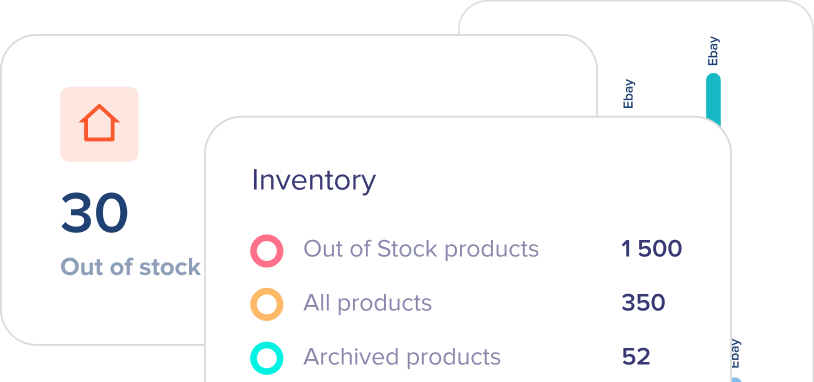
If your inventory counts are off, returns are not tracked correctly, orders are split across systems, or shipping charges are inconsistently captured, your accounting platform cannot fix that on its own. It can only receive what upstream systems provide.
That is why businesses often get better financial outcomes by centralizing commerce operations before pushing data into accounting. When inventory, order management, shipping, warehouse workflows, purchasing, and channel activity are controlled from one environment, accounting integrations become more accurate and easier to maintain.
For scaling sellers, this approach is often more durable than stitching together separate point solutions. A central operations platform can standardize product data, prevent overselling, manage fulfillment status, and organize transactions before they reach accounting. That reduces cleanup work and gives finance teams records they can actually reconcile.
Common trade-offs to consider
There is no perfect model for every merchant. Detailed transaction-level syncing can improve visibility, but it may add complexity to your chart of accounts and reporting workflow. Summary-level posting is lighter and easier to manage, but it can limit channel-by-channel analysis and make exception handling harder.
Implementation speed is another trade-off. Lightweight connectors can be faster to set up, but they may not support the process control a growing business needs six months later. More operationally integrated systems can take more planning upfront, especially if you need to standardize SKUs, warehouse logic, or account mappings first. That extra effort is often worth it, but teams should be realistic about it.
There is also the question of ownership. In some businesses, finance leads the decision. In others, operations or ecommerce management does. The best results usually come when both sides are involved early. Finance can define reconciliation and reporting requirements, while operations can validate whether the source data will actually be clean and complete.
When your current setup is no longer enough
A few warning signs usually show up before businesses actively shop for a better system. Month-end close starts taking longer. Refunds and fees are harder to reconcile. Inventory adjustments become frequent. Marketplace payouts do not match expectations without manual digging. Teams start exporting more CSV files instead of fewer.
You may also notice that growth creates hesitation instead of confidence. Adding a new channel, warehouse, or wholesale program should expand capacity. If it mainly creates reporting anxiety and more manual accounting work, your systems are already under strain.
This is often the point where businesses need more than a simple connector. They need infrastructure that centralizes commerce activity and passes reliable financial data into accounting from a controlled operational layer. That is the difference between patching over complexity and actually managing it.
A platform like eSwap fits that model because it connects inventory, orders, shipping, warehouse activity, catalog management, purchasing, and multichannel selling before those transactions hit downstream systems. For merchants dealing with operational sprawl, that structure can improve both accounting accuracy and day-to-day execution.
How to choose software that will still work next year
Start with your actual transaction flow, not a feature comparison grid. Map how orders enter the business, how inventory is allocated, how shipping and returns are processed, how payouts are received, and where reconciliation breaks today. That exercise usually makes the right priorities obvious.
Then evaluate whether the software supports your next stage of complexity. If you plan to expand channels, add warehouses, launch wholesale, or increase order volume, choose a system built for those conditions now. Replacing an underpowered integration later usually costs more than planning properly once.
Finally, look for software that improves control, not just connectivity. A connection between systems is useful. A controlled process across systems is what actually reduces errors, saves time, and gives leaders numbers they can trust.
The best ecommerce accounting integration software does not just help your accountant close the books faster. It gives your business a cleaner operational backbone, so growth stops creating noise and starts producing usable data.