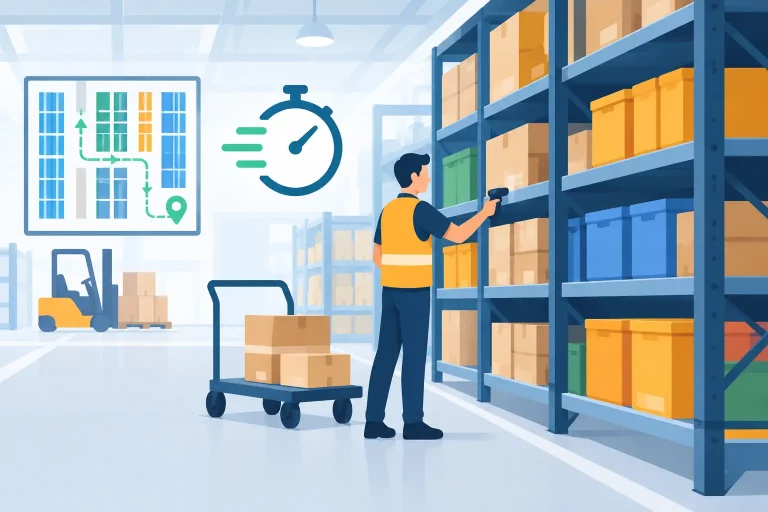
When one SKU sells on Shopify, Amazon, and wholesale at the same time, operational cracks show up fast. Inventory drifts, orders get split across tools, warehouse teams work from conflicting data, and customer promises get harder to keep. A centralized ecommerce operations platform exists to stop that cycle by putting inventory, orders, shipping, purchasing, catalog data, and warehouse workflows into one operational system.

For growing sellers, this is less about convenience and more about control. If your business runs across multiple channels, multiple warehouses, or a mix of direct-to-consumer and wholesale, disconnected software creates expensive friction. The real question is not whether your team can keep managing with spreadsheets, channel dashboards, and manual syncs. It is how long that model holds up before fulfillment slows down, stock accuracy drops, and growth starts creating more problems than profit.
What a centralized ecommerce operations platform actually does
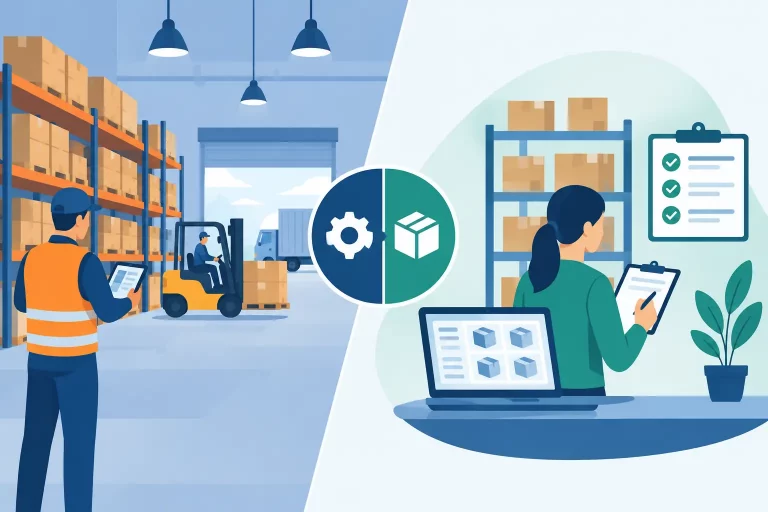
A centralized ecommerce operations platform brings core back-office commerce functions into one place. That usually includes inventory management, order routing, shipping, warehouse activity, product catalog control, purchasing, and channel connectivity. Instead of each sales channel acting like its own operational island, the platform becomes the system that keeps everything aligned.
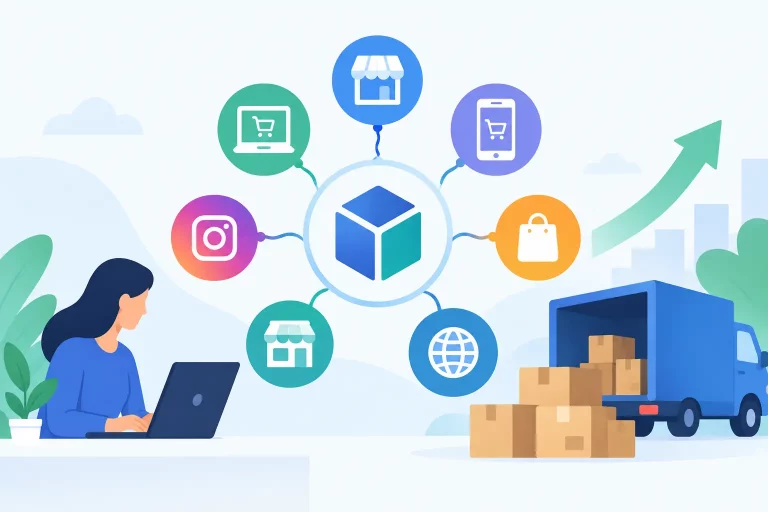
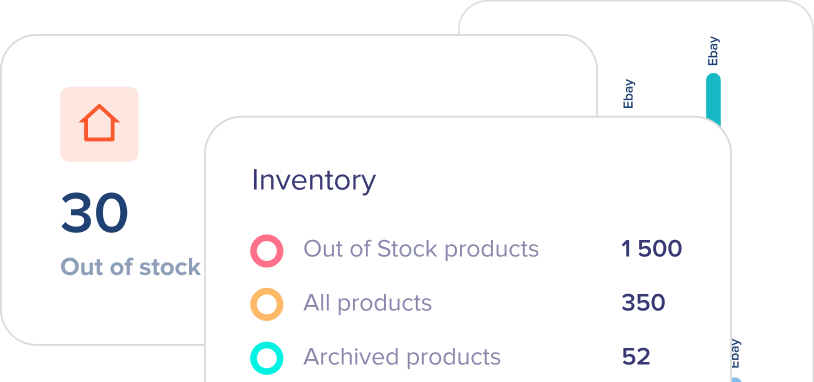
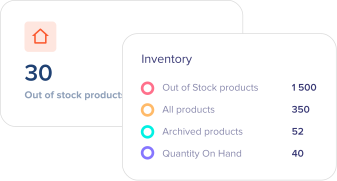
That alignment matters most when the same inventory is being sold in more than one place. If Amazon, eBay, Shopify, Walmart, and B2B sales all pull from shared stock, your operations software needs to update quantity in real time, keep listings consistent, and give your team a clear view of what is available, committed, incoming, and in transit.
The best platforms also extend beyond basic syncing. They support warehouse logic, shipping rules, barcode-driven workflows, purchase order management, and channel-specific order handling. In other words, they do not just move data. They help your team run the business.
Why fragmented systems break multichannel growth
Most commerce businesses do not start with a centralized architecture. They add tools as they grow. One app handles inventory. Another manages shipping. Marketplaces have their own dashboards. Wholesale orders may live in email, spreadsheets, or accounting software. That approach can work at low volume, but it creates blind spots as order count, SKU count, and channel count increase.
The first problem is timing. If stock updates lag between systems, overselling becomes a regular risk. The second problem is labor. Teams spend too much time reconciling data, checking exceptions, and correcting preventable errors. The third problem is visibility. Leadership sees sales, but not always operational reality – what is backordered, what is delayed, which warehouse is short, or which products need replenishment.
A centralized ecommerce operations platform reduces those failure points because it creates one operational source of truth. That does not mean every process becomes simple overnight. It means your team stops managing contradictions between systems and starts working from a shared set of data.
The operational gains that matter most
For most sellers, the value starts with inventory accuracy. If stock counts are wrong, everything downstream gets harder. Listings become unreliable, fulfillment teams waste time chasing items, purchasing decisions get weaker, and customer service absorbs the fallout. Centralizing inventory across channels and warehouses gives operators a better chance of keeping available stock, reserved stock, incoming stock, and reorder needs in sync.
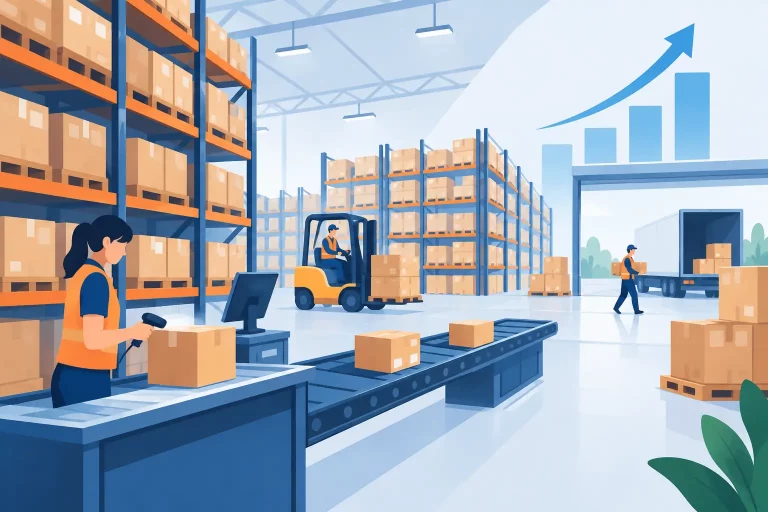
Order management is the next major gain. When all orders flow into one dashboard, teams can prioritize fulfillment faster, apply routing rules more consistently, and reduce the amount of manual handling required. This becomes especially useful for businesses shipping from multiple warehouses or balancing marketplace service-level expectations with direct-to-consumer and wholesale commitments.
Shipping performance improves for a similar reason. A centralized system can apply carrier logic, service selection rules, label generation, and warehouse instructions from one place. That shortens decision time on the floor and reduces the number of errors caused by switching between disconnected shipping and order tools.
Catalog control is often underestimated, but it matters just as much. Multichannel sellers need product data to stay organized across titles, identifiers, bundles, variations, and channel-specific listings. Without centralized catalog management, product maintenance becomes slow and inconsistent. That usually leads to listing issues, bad inventory mapping, and reporting that cannot be trusted.
What to look for in a centralized ecommerce operations platform
Not every platform that claims to centralize operations is built for real multichannel complexity. Some are strong on order syncing but weak in warehouse execution. Others connect channels well but fall short on purchasing, B2B workflows, or shipping logic. The right fit depends on your operating model.
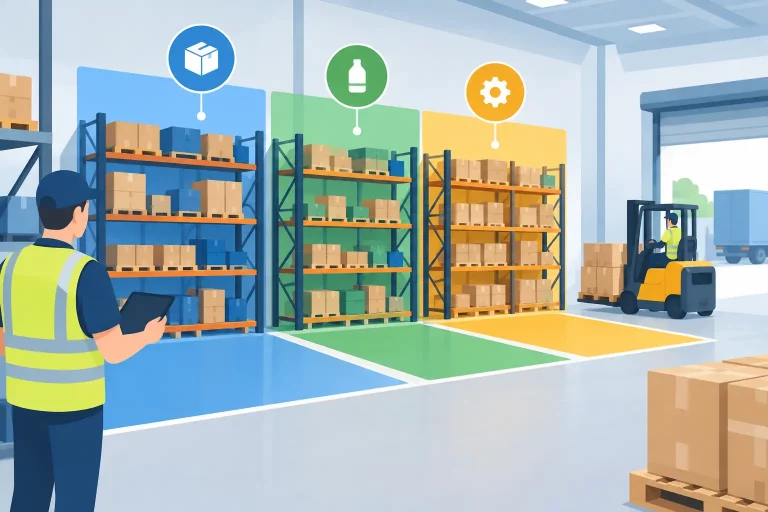
If you sell across marketplaces and your own store, start with inventory and order controls. You need accurate stock syncing, channel integrations, order aggregation, and dependable status updates. If you run warehouse-heavy operations, look deeper at picking, packing, barcode support, warehouse transfers, and fulfillment automation. If wholesale matters, make sure the system can support B2B ordering, customer pricing, and account-level workflows without forcing that side of the business into a separate process.
It is also worth paying attention to how the platform handles exceptions. Every operator knows normal orders are not the problem. The real test is what happens with split shipments, backorders, returns, supplier delays, bundle inventory, and channel-specific rules. A platform that looks efficient in a demo but collapses under exception handling will create new work instead of removing it.
Centralized ecommerce operations platform vs point solutions
Point solutions can be useful when a business has one narrow problem to solve. A standalone shipping app might be enough for a low-SKU brand selling through one storefront. A single-channel inventory tool might work for a merchant with simple replenishment needs. But as operations become more connected, point solutions tend to multiply the handoff problems between teams and systems.
A centralized ecommerce operations platform takes a broader view. Instead of asking each tool to do one job well, it coordinates the workflows that commerce businesses rely on every day. That usually means fewer manual exports, fewer duplicate records, and fewer situations where one team is acting on outdated information.
There is a trade-off. Implementing a centralized platform takes more planning than adding another lightweight app. Data structure matters. Process design matters. Team adoption matters. But for businesses that are already feeling operational strain, that investment is often what makes scale manageable.
When your business is ready for centralization
Some signals are hard to ignore. You are overselling across channels. Warehouse staff are checking multiple systems to ship one order. Purchase decisions rely on delayed reports. Product data lives in too many places. Wholesale and retail operations run side by side but never truly connect. Those are not minor inefficiencies. They are signs that your operating model has outgrown your tool stack.
Readiness also depends on complexity, not just revenue. A business with a moderate order volume but multiple warehouses, channel bundles, and wholesale accounts may need centralized control sooner than a higher-revenue brand with one simple catalog and one fulfillment path. Complexity is what drives operational risk.
That is why many scaling sellers move toward platforms built to connect inventory, orders, warehouses, shipping, purchasing, and B2B workflows in one system. A platform like eSwap is designed for exactly that kind of environment, where speed matters, errors are costly, and operations need to keep up with growth instead of slowing it down.
The bigger advantage is decision quality
Better operations software does more than save labor. It improves the quality of day-to-day decisions. When inventory data is accurate, purchasing gets sharper. When order flow is centralized, warehouse planning improves. When product and channel data are connected, reporting becomes more useful for both operators and leadership.
That kind of visibility gives businesses more control over expansion. You can add channels, open warehouse capacity, increase SKU count, or grow wholesale without relying on fragile workarounds. It does not remove complexity from commerce. It gives you a better system for managing it.
The strongest operations teams are rarely the ones working the hardest by hand. They are the ones using a system that keeps inventory accurate, orders moving, and workflows connected. If your current setup forces your team to spend more time fixing data than fulfilling demand, a centralized model is not just an upgrade. It is the foundation for more reliable growth.
The practical test is simple: if one order, one SKU, or one stock update still requires your team to check multiple systems before they trust the answer, your operations are asking for centralization.