A return becomes expensive long before the refund is issued. It becomes expensive when a customer has to ask for instructions, when warehouse staff cannot identify the order, when stock sits in a returns bin, or when inventory is updated late. Learning how to streamline returns processing means treating returns as a controlled warehouse and inventory workflow, not a customer-service exception.
For multichannel sellers, the challenge is bigger than accepting a package and issuing credit. A single return can affect marketplace performance, available stock, product condition, replacement orders, carrier costs, accounting records, and customer loyalty. The right process reduces touches, makes each decision traceable, and returns sellable inventory to available stock quickly.
Start With One Return Workflow Across Every Channel
When each marketplace, storefront, or wholesale account follows a different return process, the warehouse becomes the point where disconnected policies collide. Staff must search for order details in multiple systems, managers rely on spreadsheets to track exceptions, and customers receive inconsistent updates.
Create one operating workflow that begins with the return request and ends only when the item has been restocked, quarantined, repaired, liquidated, or disposed of. Channels may require different customer-facing rules, but the internal process should use the same status definitions, inspection steps, and inventory outcomes.
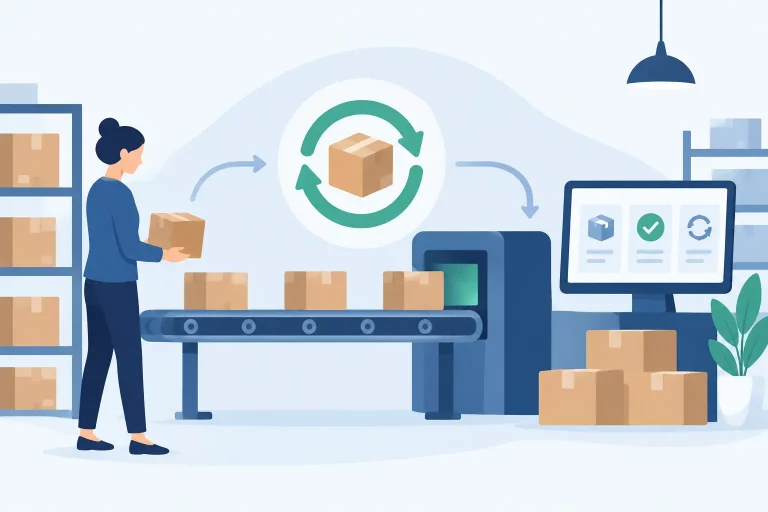
A practical return flow typically includes authorization, label creation or return instructions, receipt at the warehouse, inspection, disposition, inventory adjustment, refund or replacement confirmation, and reporting. Define who owns each stage. If ownership is vague, returns wait for someone to make a decision, and backlog grows quickly during peak seasons.
Centralization matters most for merchants selling the same SKU through several channels. A returned item that is restocked in one system but remains unavailable in another creates missed sales. Worse, an item that is marked sellable before inspection can lead to another customer receiving damaged or incomplete merchandise.
How to Streamline Returns Processing With Clear Rules
Speed comes from decisions made before the package reaches the dock. Establish return rules by product type, condition, value, channel, and reason code. This gives customer service and warehouse teams a shared framework instead of asking managers to review routine cases individually.
For example, unopened standard merchandise may be eligible for direct restock after a basic verification. Apparel may require a condition check and relabeling. Electronics may need serial-number verification and functional testing. Oversized goods can require carrier inspection before a refund is approved. These differences are necessary, but they should be built into the workflow rather than handled through email threads.
Your return authorization should capture the information the operation needs to act without searching for it later. At a minimum, collect the original order number, SKU, quantity, return reason, selected resolution, and the return destination. For controlled or higher-value products, add serial numbers, photos, lot information, and defect details.
Use standardized reason codes instead of relying on free-form customer comments alone. “Changed mind,” “damaged in transit,” “wrong item shipped,” “not as described,” and “defective” create data that can be compared across channels. Free-text notes still have value, but they are not reliable enough for operational reporting.
Separate return eligibility from refund timing
A return can be authorized before it is received, but that does not always mean the refund should be immediate. The right policy depends on product value, fraud exposure, carrier reliability, and customer expectations. Low-cost products may justify instant refunds because the labor to inspect and recover them exceeds their value. High-value products generally require receipt and inspection first.
The key is consistency. Define the trigger for each refund type and automate customer notifications at every milestone. Customers are more likely to accept a clear, predictable policy than a fast process that gives conflicting messages.
Make Receiving Fast, Accurate, and Scan-Based
The returns dock should not operate from printed emails and handwritten notes. Every package needs an identifier that connects it to the authorization, order, customer, items expected, and next action. A barcode on the return label or authorization document allows staff to scan the package and begin processing immediately.
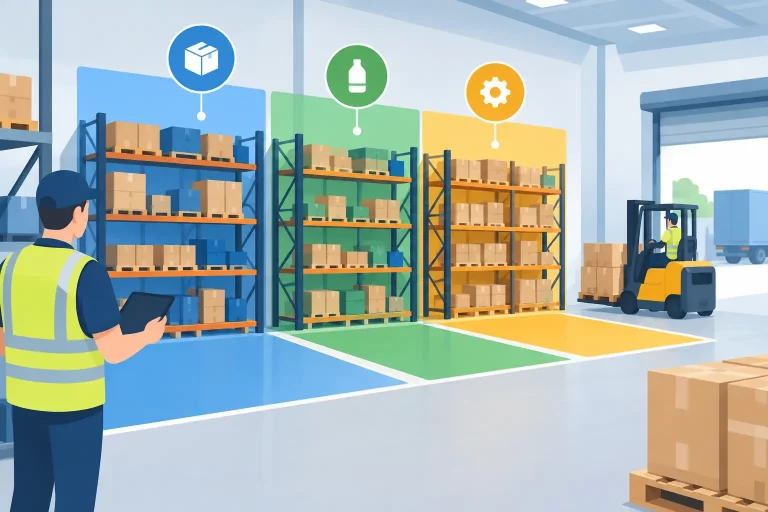
Set up a dedicated returns receiving location, even in a small warehouse. Returned goods should not be placed directly into active pick locations. Until they are inspected, they are neither confirmed sellable inventory nor a confirmed write-off. A defined holding location prevents accidental resale and gives managers visibility into units awaiting action.
At receipt, the warehouse team should confirm package arrival, scan the return, compare expected and received quantities, and route the item to the appropriate inspection queue. This does not need to be a long inspection at the dock. The goal is to establish custody, record timing, and eliminate packages that disappear into an untracked pile.

For high-volume operations, configure work queues by priority. Customer replacements, high-value merchandise, fast-moving SKUs, and returns approaching refund deadlines should move first. A first-in, first-out queue is simple, but it may not be the most profitable or customer-focused choice.
Connect Inspection to Inventory Disposition
Inspection is where a return becomes usable inventory data. Staff should select a defined disposition instead of entering a vague note such as “okay” or “bad.” Common dispositions include sellable, open-box, repair, vendor return, liquidation, damaged, and discard.
Each disposition should trigger a specific inventory result. Sellable units can return to active stock after the required quality check. Open-box inventory may move to a separate condition grade and listing. Damaged goods should move to a non-sellable location. Items awaiting a vendor claim should remain visible as owned inventory but unavailable for sale.
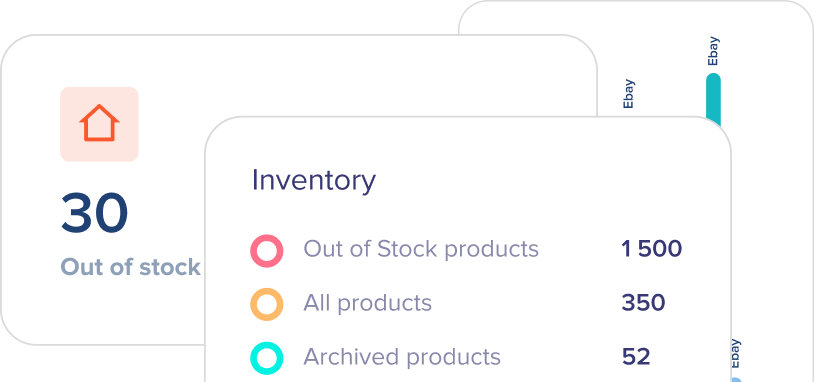
This structure protects inventory accuracy across every connected sales channel. It also prevents a common failure point: a refund is issued, the physical item arrives, but the inventory record never changes. That gap distorts available-to-sell quantities, purchasing decisions, and margin reporting.
A centralized operations platform such as eSwap can help teams connect return status, warehouse locations, orders, and inventory adjustments in one workflow. The operational benefit is not simply having another returns screen. It is ensuring that a warehouse decision updates the stock position the rest of the business relies on.
Automate the Repetitive Work, Not the Exceptions
Returns contain many repeatable actions that should not consume manual effort. Automate authorization emails, return instructions, label generation where appropriate, status updates, routing rules, inventory holds, and internal task assignments. Automation shortens cycle time while giving customers visibility without increasing support tickets.
Do not automate every decision without controls. Some exceptions need review: repeated claims from the same account, mismatched serial numbers, returns outside the policy window, empty-box claims, and products with safety or compliance requirements. Build an exception queue with clear escalation rules so these cases do not interrupt the standard flow.
The trade-off is straightforward. Too little automation creates labor-heavy processing and delayed inventory updates. Too much automation can increase fraud, approve invalid claims, or restock items that need inspection. Set automation thresholds based on product economics and revisit them as return patterns change.
Measure Returns as an Operations Signal
A low return rate is useful, but it is not enough. Operations leaders need to know how long returns remain in each stage, how much inventory is recoverable, and which products or channels create avoidable work.
Track these metrics consistently:
- Return cycle time, from authorization to final disposition
- Time from warehouse receipt to inventory update
- Percentage of units restocked as sellable inventory
- Return reason by SKU, supplier, channel, and fulfillment method
- Refund and replacement processing time
- Value of inventory held in inspection or exception locations
Use the findings to improve upstream operations. A rising “wrong item shipped” rate points to picking, labeling, or catalog issues. Frequent damage claims may indicate packaging weaknesses or a carrier problem. “Not as described” often signals poor product content, inaccurate dimensions, or channel-specific listing errors. Returns data is most valuable when it drives corrections before more orders are affected.
Build for Peak Volume Before It Arrives
Returns often spike after promotions, holidays, catalog changes, and carrier disruptions. Waiting until the returns area is full to define processes guarantees rushed decisions and inaccurate stock. Set capacity limits for inspection locations, document temporary staffing procedures, and establish a cadence for clearing aging inventory.
For growing merchants, the goal is not to eliminate every return. It is to make each return predictable, traceable, and economically rational. When customer service, warehouse receiving, inventory control, and refunds operate from the same workflow, returns stop creating hidden operational debt. They become a controlled process that protects stock accuracy, speeds resolution, and gives the business better information for the next sale.