A product can appear available on Amazon, Shopify, eBay, and a wholesale order form at the same time, even when only one unit is left on the shelf. That gap is where overselling, rushed cancellations, split shipments, and unhappy customers begin. Inventory visibility gives commerce operators a current, usable view of what stock exists, where it is located, what is committed, and what can actually be sold.

For a growing multichannel business, visibility is not simply a stock count on a dashboard. It is operational control across sales channels, warehouses, purchase orders, returns, and fulfillment workflows. When inventory data is fragmented, every team works from a different version of reality. When it is centralized, teams can make faster decisions with fewer manual checks.
What Inventory Visibility Means in Practice
Inventory visibility is the ability to see accurate inventory status across the full product lifecycle. That includes on-hand units, available-to-sell quantities, allocated stock, incoming purchase orders, inventory in transit, damaged units, returns, and stock held in individual warehouse locations.
The distinction between on-hand and available inventory matters. A warehouse may physically hold 200 units of a product, but 60 may already be allocated to paid orders, 20 may be in a receiving area awaiting inspection, and 10 may be reserved for wholesale customers. Listing all 200 as available creates risk. A reliable system accounts for those movements automatically and publishes the correct sellable quantity to each connected channel.
For operators, the goal is not more data. The goal is trustworthy data that supports action. Can the team release an order immediately? Should purchasing reorder a SKU? Which warehouse can fulfill the order at the lowest cost? Is a marketplace listing at risk of selling stock that has already been committed elsewhere? Visibility should answer those questions without a spreadsheet audit.
Why Multichannel Sellers Lose Control of Stock
Most inventory problems do not start in the warehouse. They start when sales and operational systems are disconnected. A merchant may use one platform for an online store, separate marketplace portals, shipping software, accounting tools, warehouse spreadsheets, and email or phone orders for wholesale accounts. Each system records a part of the operation, but none provides a complete view.
Manual updates make the problem worse. If a team member adjusts a quantity after an Amazon sale but the change does not reach Shopify or eBay quickly enough, the same item can sell again. If inbound inventory is counted in a spreadsheet but not linked to purchase orders, purchasing may reorder products that are already on the way. If warehouse locations are not tracked, fulfillment staff lose time looking for stock that appears available but is not in its expected bin.
Inventory visibility also becomes harder as product catalogs expand. Variants, bundles, kits, multipacks, and channel-specific listings all create relationships that must be maintained accurately. A bundle may contain three separate SKUs. Selling one bundle should reduce the available quantity of every component, not just the bundle listing. Without centralized inventory logic, those relationships become a frequent source of stock errors.
Inventory Visibility Across the Entire Workflow
Strong inventory control connects every stock-changing event. Sales orders reduce available inventory. Cancellations and returns restore it according to defined rules. Purchase orders identify what is expected and when. Warehouse transfers show movement between facilities. Cycle counts and adjustments create an audit trail instead of unexplained quantity changes.
Sales Channels and Order Allocation
Every connected sales channel should receive inventory updates from a single source of truth. This reduces the delay between a sale and an updated listing quantity, helping merchants prevent overselling across marketplaces and direct-to-consumer storefronts.
Order allocation adds another layer of control. If inventory is stored in more than one warehouse, the system should determine where an order can be fulfilled based on stock availability, fulfillment rules, shipping cost, customer location, or service-level requirements. The best allocation strategy depends on the operation. A seller focused on speed may prioritize the closest warehouse, while a seller protecting margins may use the location with the lowest shipping cost.
Warehouses, Bins, and Stock Status
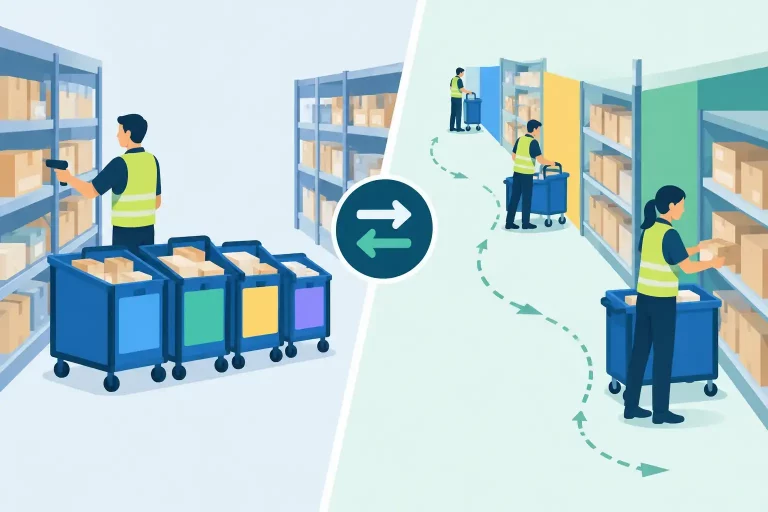
Warehouse-level visibility is necessary once products move beyond a single stockroom. Operations teams need to know not only that a product exists, but exactly where it is stored and whether it is ready to ship.
Location tracking supports faster picking, fewer fulfillment mistakes, and more reliable replenishment. It also separates sellable stock from inventory that is quarantined, damaged, awaiting quality control, or reserved for specific orders. Treating every physical unit as immediately available is one of the fastest ways to create inaccurate listings.
Purchasing and Inbound Inventory
Purchasing decisions improve when inventory data includes demand, current stock, committed quantities, and open purchase orders. A planner can see whether a SKU is truly running low or whether replenishment is already due to arrive next week.
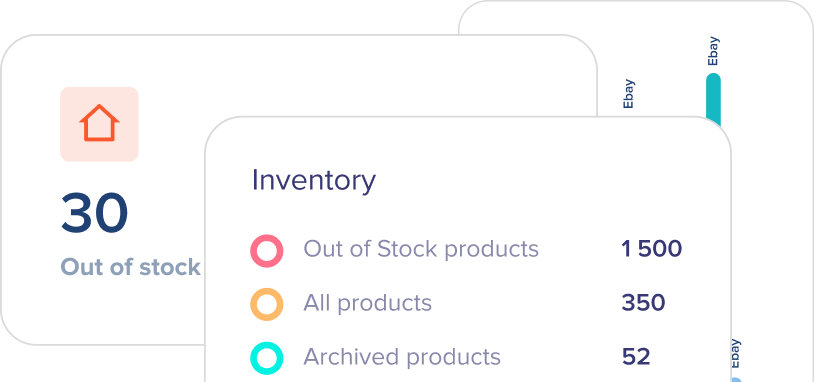

Inbound inventory should not be treated as available stock until the business is ready to sell it. However, it should be visible to purchasing and operations teams so they can plan allocations, promotions, and customer commitments with confidence. Lead times, supplier reliability, and seasonal demand still require judgment. Visibility improves the decision, but it does not replace sound purchasing discipline.
The Business Impact of Accurate Inventory Visibility
The most immediate benefit is fewer stockouts and oversells. Customers see more accurate availability, marketplace teams spend less time resolving cancellations, and fulfillment staff avoid picking orders that cannot be completed. This protects seller performance metrics as well as customer trust.
Visibility also improves fulfillment speed. When orders, inventory, and warehouse locations are connected, teams do not need to verify stock manually before processing every order. They can prioritize orders by cutoff time, shipping method, channel requirements, or warehouse capacity. That reduces operational drag during high-volume periods.
There is a financial benefit as well. Poor visibility often leads businesses to carry excess safety stock because they do not trust their numbers. Holding too much inventory ties up cash, increases storage costs, and raises the risk of aging stock. Better inventory data allows teams to buy with greater precision, though the right inventory level will vary by category, lead time, and demand volatility.
For wholesale sellers, accurate visibility helps prevent conflicts between B2B commitments and retail demand. A fast-moving consumer channel can consume inventory intended for a large wholesale account unless allocation rules and reserved quantities are clearly defined. Centralized control lets operators protect priority orders without relying on informal notes or manual holds.
How to Build Better Inventory Visibility
The first step is to establish one inventory record for each SKU and define how every listing, variant, bundle, and warehouse location relates to it. Duplicate product records and inconsistent SKU naming create confusion before automation can help.
Next, connect sales channels and operational tools to a centralized platform that can synchronize inventory as orders and stock movements occur. Real-time updates are valuable, but only when the underlying processes are accurate. Receiving, transfers, returns, adjustments, and cycle counts all need clear ownership and consistent procedures.
Teams should also define inventory statuses that reflect how they actually operate. At minimum, distinguish between on-hand, available, allocated, inbound, and non-sellable stock. Businesses with complex warehouse processes may need additional statuses for quality control, transfers, replenishment, or wholesale reservations.
Finally, monitor exceptions instead of trying to inspect every transaction. Useful exception views include negative inventory, low-stock products, orders waiting on allocation, listings with synchronization errors, aging stock, and purchase orders past their expected arrival date. These are the issues that require a human decision.
A platform such as eSwap brings orders, inventory, warehouse activity, purchasing, shipping, and multichannel listings into one operational environment. That reduces the number of handoffs where stock information can become outdated and gives teams a clearer basis for fulfillment and replenishment decisions.
Inventory Visibility Is a Daily Operating Discipline
Software can centralize data, but accuracy depends on how the operation uses it. Warehouse teams must record receiving and adjustments promptly. Purchasing teams need current supplier and lead-time information. Catalog teams must maintain SKU relationships when new bundles or variants are introduced. Leaders need to review exceptions before they become customer-facing problems.
The businesses that scale cleanly are not the ones with the most dashboards. They are the ones that make inventory status reliable enough for people and systems to act on it without hesitation. Start by fixing the inventory events that are most likely to create errors, then build a process where every sale, receipt, transfer, and return leaves the stock record more trustworthy than before.