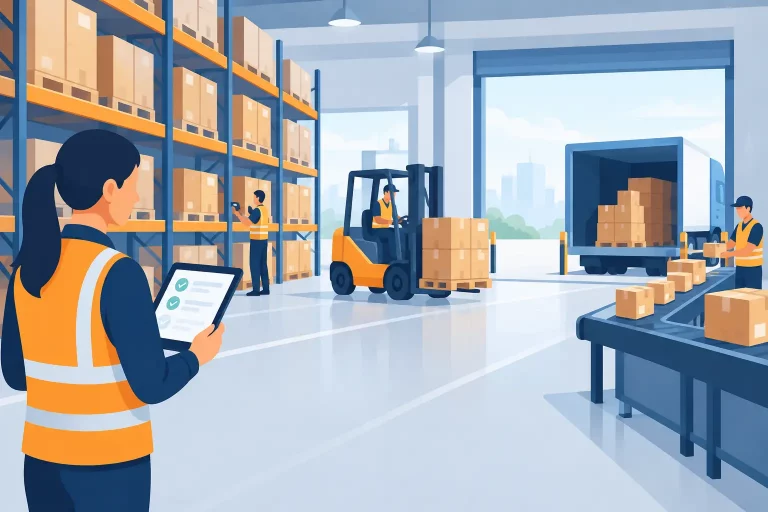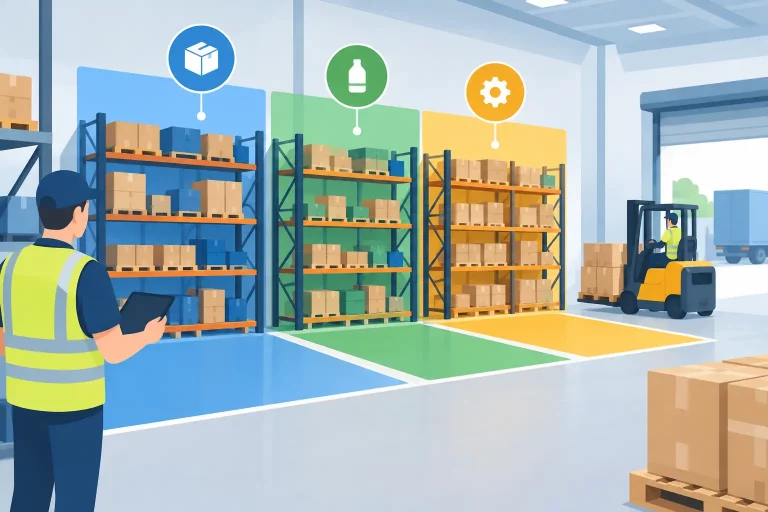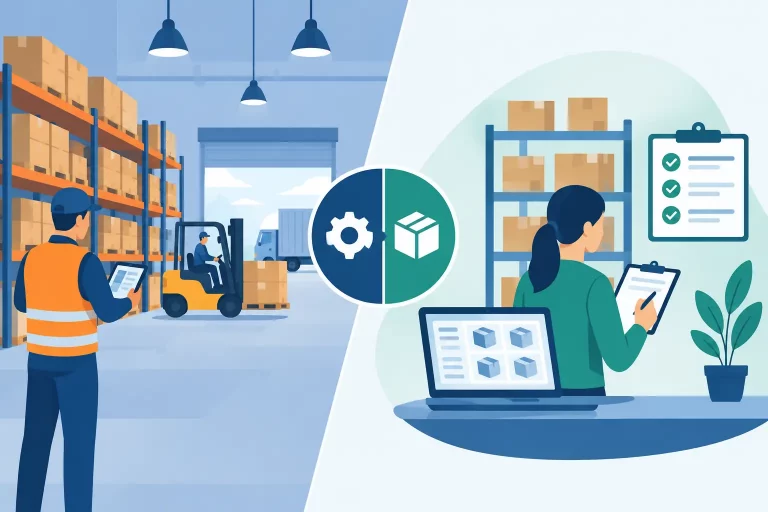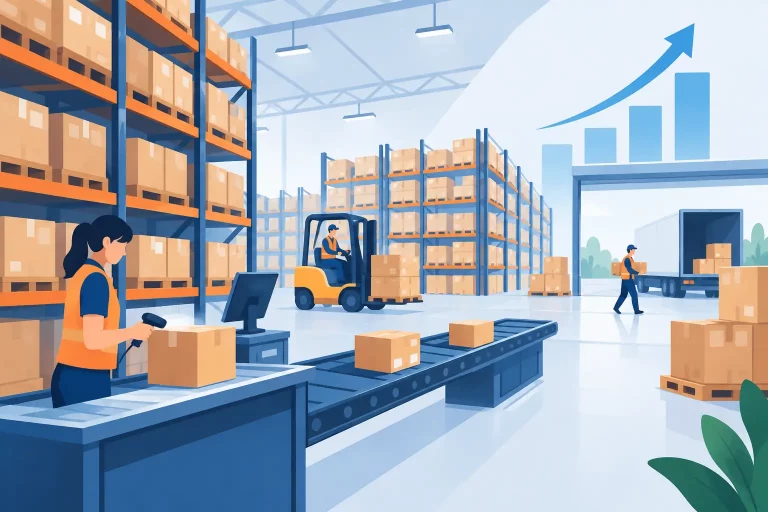
A late shipment rarely starts in the packing station. It usually starts earlier – with an order imported twice, inventory synced too slowly, the wrong warehouse selected, or a carrier rule handled by memory instead of software. That is why shipping automation for ecommerce matters. It is not just about printing labels faster. It is about building a fulfillment operation that can keep up with order volume, channel complexity, and customer expectations without adding manual work at every step.
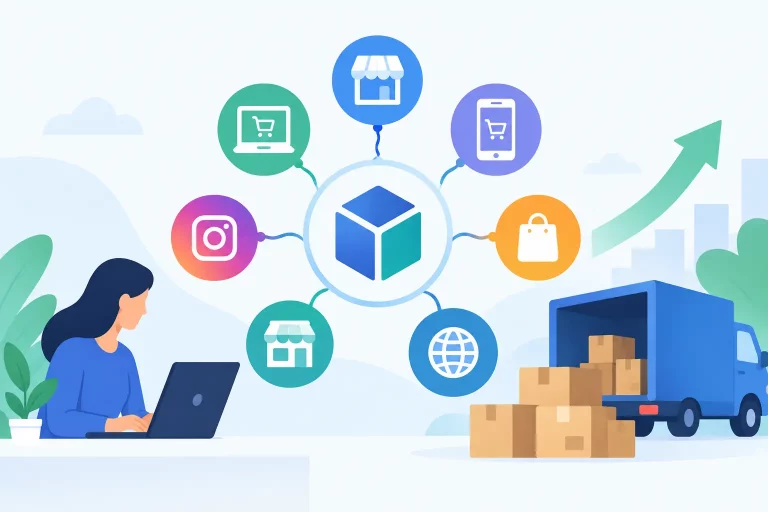
For multichannel sellers, shipping is where disconnected systems become expensive. A team might sell on Shopify, Amazon, Walmart, eBay, and wholesale portals while managing stock across multiple warehouses. If orders, inventory, shipping rates, and tracking updates are moving through separate tools, every handoff creates delay and risk. Automation closes those gaps by making shipping part of a connected operational workflow instead of a last-minute task.
What shipping automation for ecommerce actually changes
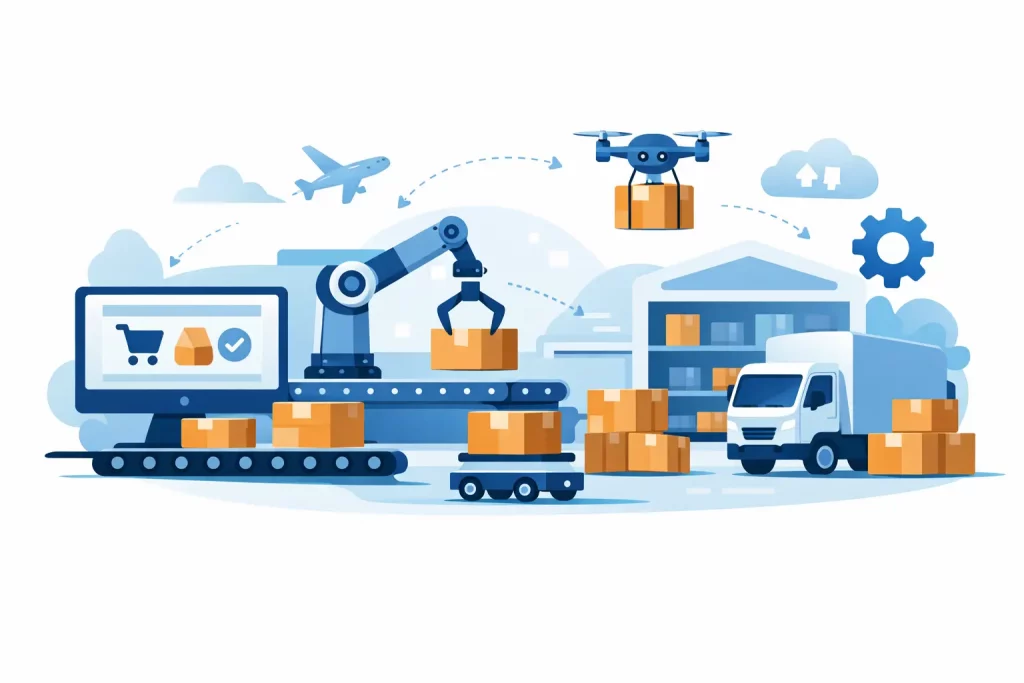
At a basic level, shipping automation moves repetitive fulfillment tasks out of spreadsheets, inboxes, and manual carrier portals. Orders flow into one system, shipping rules apply automatically, labels are generated with fewer clicks, tracking updates push back to sales channels, and status changes stay consistent across the business.
The real value is operational control. When shipping is automated inside a broader commerce system, teams can make decisions based on inventory location, service levels, cutoff times, package logic, and order priority. That means fewer exceptions, better labor efficiency, and more predictable fulfillment output.
This matters even more for businesses that are scaling. Manual shipping processes can survive at 20 orders a day. At 200 or 2,000, they start creating bottlenecks. Staff spend time checking addresses, comparing carrier options, splitting orders, updating marketplaces, and correcting mistakes that software should have prevented in the first place.
Where manual shipping breaks down
Most ecommerce businesses do not feel shipping pain because label creation is hard. They feel it because shipping depends on too many disconnected decisions.
An order may need to route from the warehouse with available stock. A backordered SKU may require a split shipment. A marketplace order may need a specific carrier service to stay compliant. A wholesale customer may have different packaging or billing requirements than a direct-to-consumer buyer. If those conditions are handled manually, fulfillment becomes dependent on tribal knowledge.
That creates familiar problems: delayed shipments, higher shipping spend, inconsistent carrier selection, poor tracking visibility, and avoidable customer service volume. It also makes growth harder. Adding channels or warehouses should expand revenue, not multiply operational complexity.
The core workflows to automate first
The strongest shipping automation for ecommerce starts with the workflows that affect speed, cost, and accuracy every day.
Order import is the first priority. Orders from every storefront and marketplace should flow into a central system in real time or near real time. If teams are exporting files or checking multiple admin panels, fulfillment already starts behind.
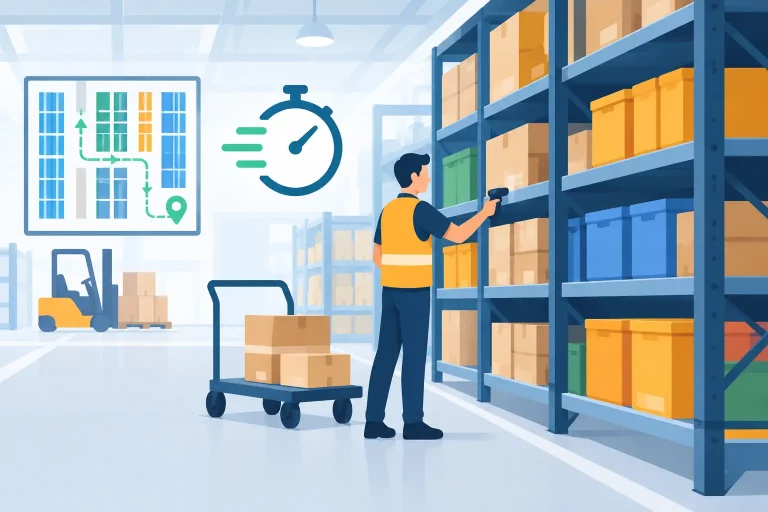
Next is shipping rule logic. This is where automation begins to pay off. Orders can be assigned to carriers, services, package types, or warehouses based on factors like destination, weight, order value, delivery promise, sales channel, or SKU mix. Instead of having staff make the same decision hundreds of times, the system applies the logic automatically.
Label generation is another obvious gain, but it matters most when paired with validation. Address checks, service mapping, and packaging rules reduce the chance of failed deliveries and adjustment fees. Then tracking needs to flow back automatically to channels and customers so teams are not updating statuses by hand.
For more advanced operations, automation should also cover order splitting, partial shipment handling, warehouse routing, and exception management. That is where shipping stops being a basic function and becomes part of a scalable fulfillment model.
Shipping automation only works if inventory is connected
This is where many businesses choose the wrong tool. A shipping app can speed up labels, but if it is not connected to inventory and order management, it only automates one narrow part of the process.
Shipping decisions depend on stock accuracy. If inventory is not centralized across channels and warehouses, the system cannot reliably determine where an order should ship from or whether it should ship at all. That is how merchants end up overselling products, splitting shipments unnecessarily, or promising delivery speeds they cannot meet.
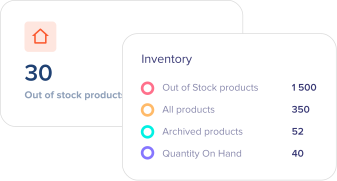
A connected operations platform solves this differently. Inventory, orders, warehouse activity, and shipping all work from the same source of truth. When stock changes, order routing and shipping decisions can respond immediately. When a shipment is created, the order status, channel update, and inventory movement stay aligned.
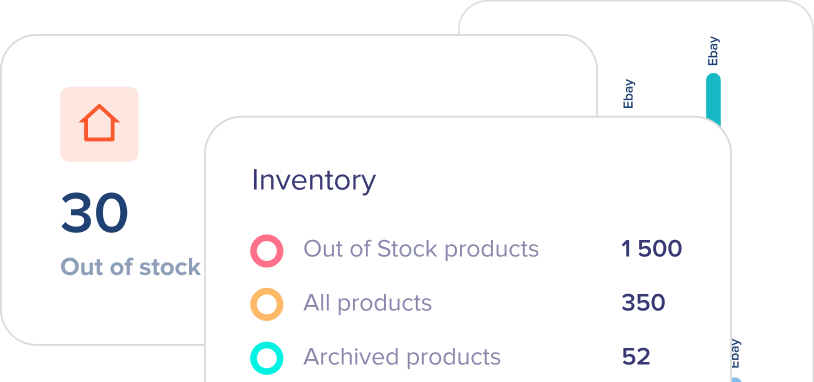
For multichannel commerce, that connection is not a nice extra. It is the difference between automation that saves time and automation that creates new reconciliation work later.
How shipping automation supports growth
Growth adds pressure in uneven ways. Sometimes it comes from more daily orders. Sometimes it comes from more channels, new warehouse locations, wholesale accounts, or a larger SKU catalog. In every case, manual fulfillment processes become expensive long before they become impossible.
Automation helps businesses scale without matching headcount to order volume one-to-one. Teams can process more orders with the same staff because the software handles repetitive decisions and updates. Managers also gain better visibility into throughput, shipment status, and exceptions, which makes it easier to fix bottlenecks before they affect service levels.
There is also a margin benefit. Better carrier selection and shipping logic can reduce avoidable overspend. Not every order needs the fastest service, and not every package should ship from the same location. When routing and service selection are automated based on business rules, cost control improves without slowing the operation down.
That matters for sellers operating across marketplaces, where fulfillment performance affects seller ratings and delivery promises, and for direct-to-consumer brands, where shipping experience shapes repeat purchase behavior.
What to look for in shipping automation for ecommerce
If your business is evaluating shipping automation, the right question is not just whether the software prints labels. The better question is whether it can coordinate shipping with the rest of your commerce operation.
Look for centralized order management, live inventory syncing, multichannel integrations, warehouse-aware fulfillment logic, and carrier connectivity that supports your current and future shipping mix. You also want workflow flexibility. A simple operation today may add new channels, international orders, wholesale workflows, or additional warehouses later.
Usability matters too, but in a specific way. The system should make operational complexity easier to manage, not hide it behind rigid rules that break when your business changes. The best platforms give teams automation and control at the same time.
For sellers managing retail and wholesale together, this becomes even more important. Shipping requirements often differ by customer type, order volume, and fulfillment method. A platform that can support both sides of the business in one environment reduces process fragmentation and gives operators a clearer picture of performance.
Why connected shipping automation wins
The businesses that benefit most from automation are usually not looking for one more point solution. They are trying to remove friction across the entire order lifecycle.
That is why connected shipping automation tends to outperform standalone shipping tools over time. It reduces duplicate work, improves inventory accuracy, supports warehouse execution, and keeps channels updated without extra intervention. It also gives leadership better data on shipping performance, fulfillment speed, and operational efficiency.
For companies scaling across marketplaces, storefronts, and wholesale channels, shipping is not a separate department problem. It is an operations problem. Solving it well requires systems that connect orders, stock, warehouses, and carrier workflows in one place. Platforms like eSwap are built for that level of operational control.
Shipping automation will not eliminate every exception. There will still be damaged inventory, carrier delays, and unusual order scenarios. But it does remove the everyday friction that slows teams down and causes avoidable mistakes. That is the practical goal – fewer manual decisions, faster fulfillment, and a shipping operation that supports growth instead of limiting it.
If your team is still treating shipping as the final step, you are probably fixing problems too late. The better move is to automate earlier, connect more of the workflow, and give fulfillment a system that can keep up with the business you are building.