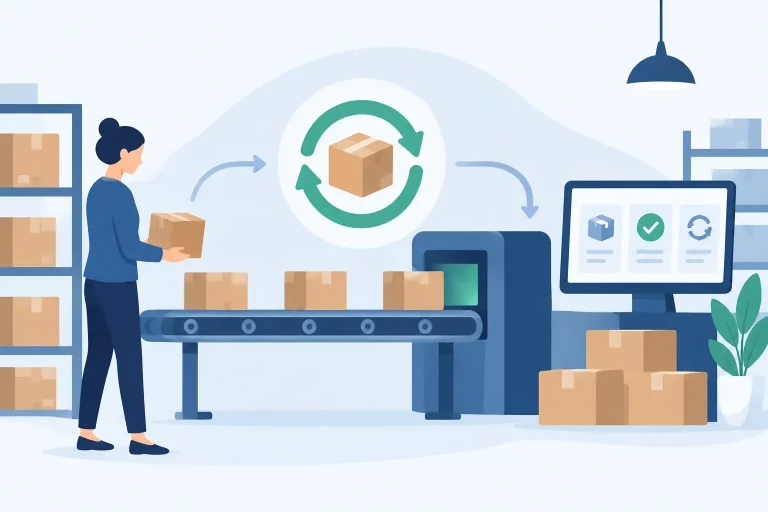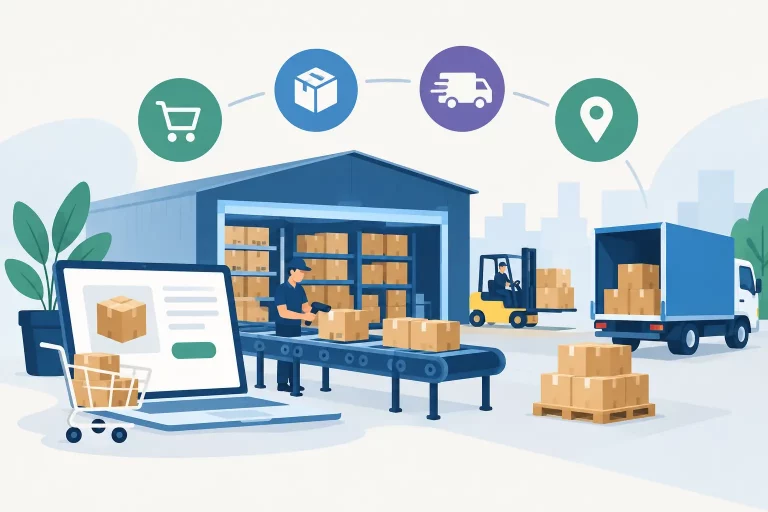
A return is not complete when a customer drops a package at a carrier location. It is complete when the refund, replacement, disposition, inventory adjustment, and customer record all match. For merchants selling across multiple channels, the best ecommerce returns management tools make that process controlled instead of costly.

Returns software cannot eliminate every return. It can reduce the operational drag behind them: support tickets asking for labels, products sitting uninspected in a warehouse, refunds issued before items arrive, and stock counts that remain wrong long after the package is delivered. The right tool gives customers a clear self-service path while giving operations teams the rules, data, and inventory visibility needed to act quickly.
What the Best Ecommerce Returns Management Tools Must Do
A returns platform should start with customer-facing convenience, but that is only one part of the job. Customers need a branded portal, clear eligibility rules, available exchange options, and simple label or drop-off choices. That reduces support volume and makes the return experience predictable.
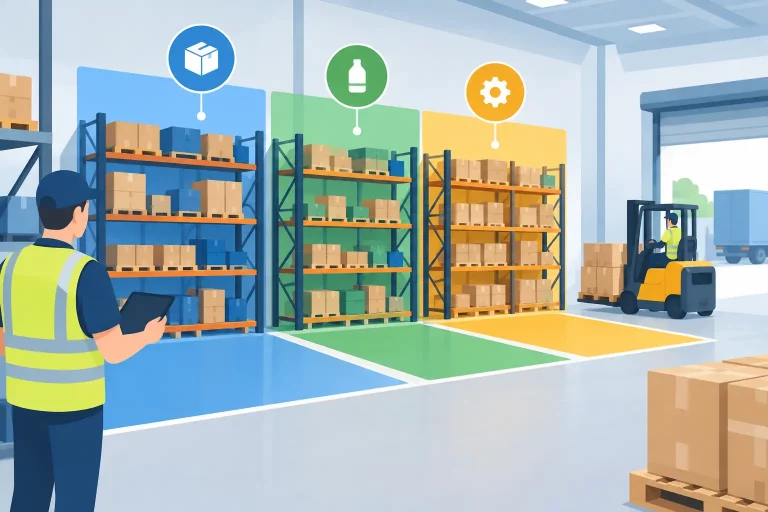
Operations teams need deeper control. The system should validate orders, apply return windows and item-level rules, capture return reasons, and route each item to the right outcome. That may mean return to stock, inspection, refurbishment, quarantine, vendor return, or disposal. A simple label generator is not enough for a merchant with warehouse, inventory, and multichannel requirements.
Integration quality matters just as much. A return should update the original order and feed accurate information into inventory, warehouse, accounting, and customer service workflows. If a tool creates another isolated dashboard, the team is still reconciling data by hand.
10 Tools to Consider for Ecommerce Returns Management
The best fit depends on your sales channels, product category, return volume, and internal operating model. Some platforms are built around exchange conversion. Others are better suited to complex retail networks, carrier options, or warehouse disposition.
1. Loop Returns
Loop Returns is widely used by direct-to-consumer brands that want to turn returns into exchanges, store credit, and retained revenue. Its strength is the customer experience: shoppers can select an exchange before completing a return, while merchants can use rules to guide customers toward preferred outcomes.
It is a strong option for Shopify-focused brands with repeat customers and size, color, or preference-based returns. Merchants with complex warehouse routing or broad marketplace operations should closely examine how return events and disposition data move into their core operational systems.
2. Happy Returns
Happy Returns is known for box-free drop-off options and a return experience designed to remove friction for shoppers. For brands where convenience and return shipping costs are major concerns, consolidated drop-offs can improve the experience while reducing the expense of individual mailed packages.
This approach is particularly relevant for apparel, footwear, and other high-return categories. The trade-off is that a strong drop-off network does not replace warehouse inspection, inventory updates, or cross-channel reconciliation. Those workflows still need clear ownership.
3. Narvar
Narvar serves larger retailers that need a broader post-purchase platform, including tracking, notifications, exchanges, and returns. Its returns capabilities suit businesses that place a high value on branded communications and consistency across customer touchpoints.
For enterprise and established multichannel retailers, Narvar can support a more coordinated customer journey. It may be more platform than a smaller merchant needs, so implementation effort, pricing structure, and integration requirements should be assessed early.
4. AfterShip Returns
AfterShip Returns is a practical choice for merchants looking for a configurable return portal, shipment visibility, and carrier-related functionality in one post-purchase environment. It supports return rules, return methods, and status communication without requiring customers to contact support for basic requests.
It can work well for businesses that already rely on AfterShip tracking products or need a faster path to a structured return workflow. As volume grows, confirm that its return statuses, automation rules, and reporting align with the receiving process at each warehouse.
5. ReturnGO
ReturnGO focuses on automation, exchanges, store credit, and return policy enforcement. Merchants can use conditional rules to control what customers see based on products, reasons, locations, or order values.
That flexibility makes it useful for merchants that want more control without building a custom workflow. The key question is whether the configured rules reflect what the warehouse can actually process. Promising an instant exchange is valuable only when replacement inventory is accurate and available.
6. ReturnLogic
ReturnLogic is designed to support returns automation and analytics, with an emphasis on helping merchants understand why products come back. Return reason data is valuable when it reaches the teams that can act on it, such as merchandising, purchasing, quality control, and product development.
This tool is worth considering for merchants that need a more disciplined view of return trends rather than just a portal for issuing labels. Use the data carefully: a customer-selected reason is useful direction, but it should be compared with warehouse inspection results and product-level performance.
7. Revers.io
Revers.io is aimed at retailers and brands managing more complex reverse logistics, including repairs, warranties, and service-related returns. It is better suited to categories where a returned product may need testing, repair, grading, or a manufacturer decision before it can be resold.
Electronics, appliances, and higher-value goods often need this level of process control. For straightforward fashion returns, it may be more capability than required. The right choice depends on the condition decisions your team makes after receiving an item.
8. Optoro
Optoro focuses on reverse logistics and disposition, helping retailers find better recovery paths for returned inventory. Rather than treating every return as a loss, businesses can route items based on condition, resale potential, liquidation value, or other recovery options.
This model is most relevant when return volume is large enough for disposition decisions to have a material financial impact. It is less about a polished customer portal and more about improving the economics of inventory after it comes back.
9. Returnly Alternatives for Shopify Merchants
Many merchants still search for Returnly because it was once a recognized returns product. Since its shutdown, the practical decision is not finding a direct replacement by name. It is identifying which capabilities mattered most: instant exchanges, return credit, a self-service portal, or shipping-label automation.
Loop Returns, ReturnGO, and AfterShip Returns are common options to evaluate for Shopify-centered workflows. Do not make the selection based only on feature checklists. Test how each option handles your actual exchange rules, shipping methods, and inventory synchronization.
10. Your Core Commerce Operations Platform
For multichannel sellers, a dedicated returns portal is only one layer of the process. The system that controls orders, inventory, warehouses, purchasing, and fulfillment must also receive accurate return information. Otherwise, a return can be approved digitally while its inventory and financial consequences remain unresolved operationally.
This is where an operations platform such as eSwap belongs in the evaluation. The returns tool should support the customer-facing workflow, while the central commerce system maintains control over stock movement, warehouse activity, and order accuracy across marketplaces, stores, and wholesale channels.
How to Choose Without Creating Another Data Silo
Start with the physical path of a returned item. Map what happens from customer request to refund, carrier handoff, warehouse receipt, inspection, and final disposition. Then identify where employees are copying data, making judgment calls without rules, or waiting for another system to update.
Next, separate customer experience requirements from internal requirements. A branded portal and easy exchanges may be the priority for a high-growth apparel brand. A distributor, electronics seller, or marketplace operator may need serial-level validation, inspection queues, restocking controls, and a documented audit trail.
Evaluate each platform against these operational questions:
- Can it apply different policies by channel, product, customer type, warehouse, or reason code?
- Does it support exchanges, store credit, refunds, repairs, and non-resalable dispositions where needed?
- How quickly and accurately does return data reach inventory, order, warehouse, and accounting workflows?
- Can the warehouse scan, inspect, grade, and route the item without relying on email or spreadsheets?
- Does reporting show return reasons, return rates, recovery value, processing time, and inventory impact?
A pilot is more useful than a polished demo. Run a realistic sample of orders through the workflow, including partial returns, damaged goods, exchanges with low stock, marketplace orders, and products returned to a different warehouse. The gaps will become visible quickly.
Returns Management Is an Inventory-Control Decision
The best returns software improves customer retention, but its larger value is operational accuracy. Every returned unit affects available inventory, replacement availability, refund timing, warehouse labor, and margin recovery. If those movements are not controlled, returns create the same kind of fragmentation that causes overselling and fulfillment delays.
Choose a tool that fits the return experience your customers expect, then make sure it works within the systems that run your inventory and fulfillment. When return data moves quickly from the customer portal to the receiving dock and back into available stock, returns stop being a blind spot and become a manageable part of commerce operations.