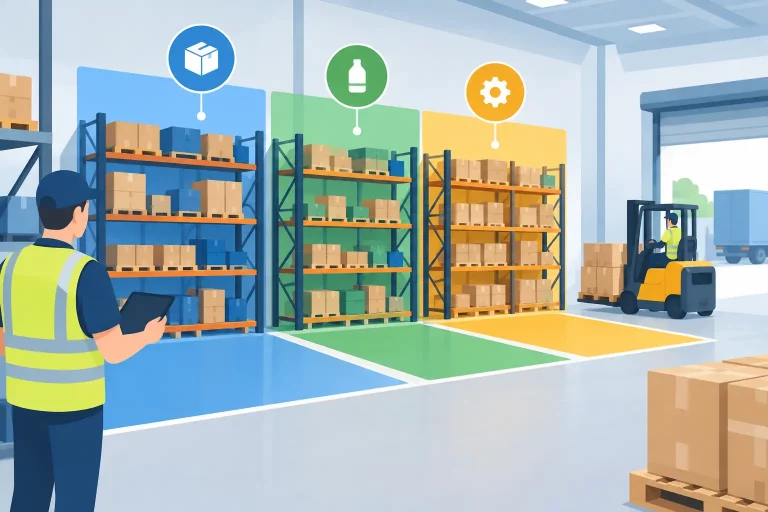
A wholesale platform can either create a new sales channel or create more operational work. The top B2B wholesale platforms are not all built for the same job: some help brands find retail buyers, some help buyers source products, and others run the orders, inventory, pricing, and fulfillment behind wholesale sales. Choosing the right category matters before comparing feature lists.
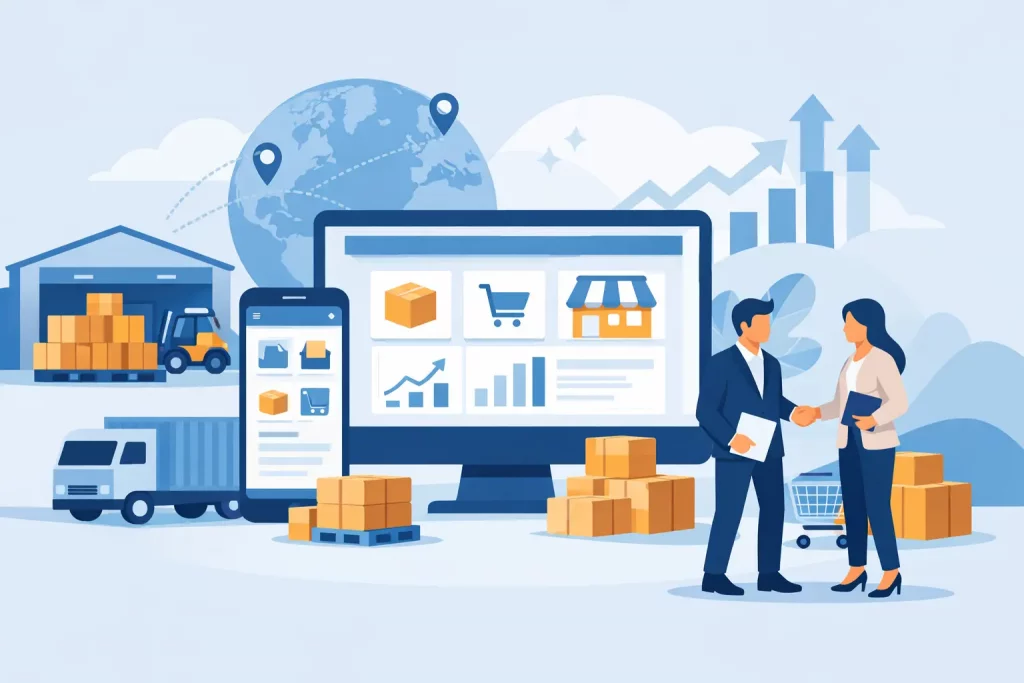
For a multichannel seller, the central question is simple: can the platform support wholesale growth without causing stock errors, manual order entry, and warehouse delays? A strong answer usually requires more than a digital catalog. It requires connected inventory, customer-specific pricing, purchasing controls, and fulfillment workflows that work alongside marketplace and direct-to-consumer orders.
What Makes a B2B Wholesale Platform Worth Using?
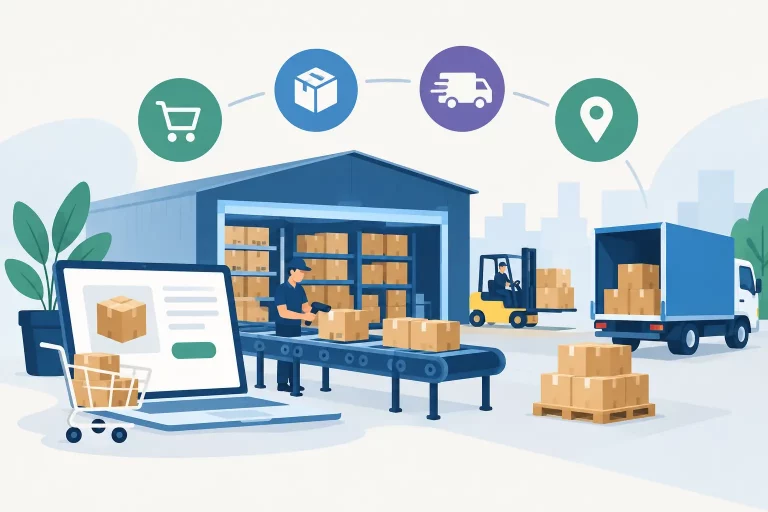
Wholesale is operationally different from retail. A buyer may need net payment terms, case-pack ordering, negotiated prices, approved catalogs, purchase order workflows, and a sales rep relationship. Meanwhile, the seller still needs to allocate inventory accurately across wholesale accounts, Shopify, Amazon, eBay, Walmart, and other active channels.
The best platform depends on whether your primary need is buyer acquisition, wholesale ordering, or back-office control. Many businesses need a combination. A marketplace may introduce new retailers, but it will not necessarily prevent overselling when those orders reach the warehouse. Likewise, a B2B storefront can accept large orders but may not solve purchasing, pick-pack workflows, carrier selection, or multichannel stock synchronization.
Evaluate platforms against the workflows that affect margin and customer service: real-time inventory availability, price lists by customer or tier, minimum order rules, payment terms, order approval, catalog management, warehouse execution, and integrations with the systems already running your business.
Top B2B Wholesale Platforms by Business Need
eSwap for multichannel wholesale operations
eSwap is designed for merchants that need wholesale operations to run alongside retail, marketplaces, shipping, purchasing, and warehouse activity. Rather than treating B2B as a separate order stream, it brings wholesale orders and customer management into the same operational environment used to control inventory and fulfillment.
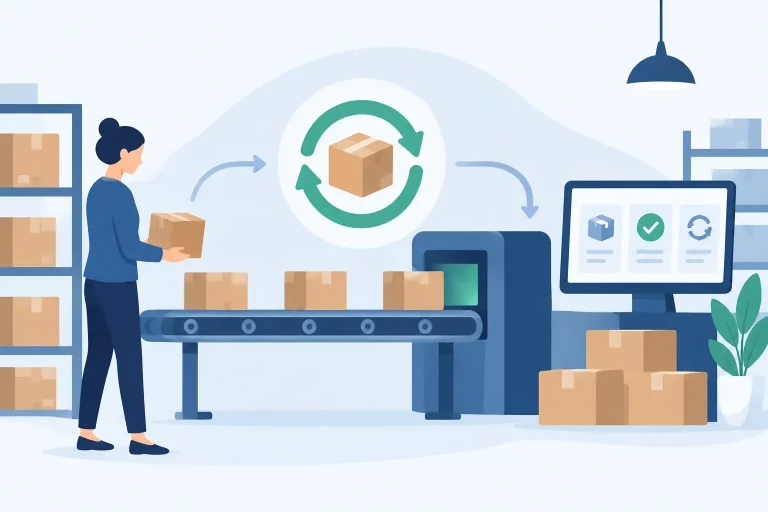
This approach is especially useful for businesses selling the same products through several channels. A wholesale order should update available stock immediately, not leave marketplace listings exposed to overselling. Teams can manage products, purchase orders, warehouse processes, shipping, and wholesale workflows from a central system, reducing the manual handoffs that slow fulfillment.
eSwap is a practical fit for growing brands, distributors, and warehouse-driven sellers that need customer-specific B2B functionality without losing control of broader multichannel operations. It is less about putting products in front of a new buyer audience and more about running existing wholesale demand with accuracy and speed.
Shopify Plus for branded B2B storefronts
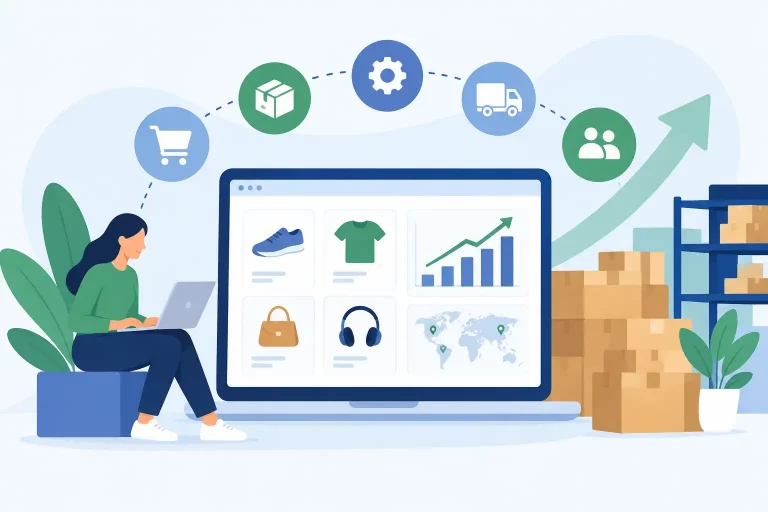
Shopify Plus includes B2B capabilities for brands that want a polished, self-service wholesale store tied closely to their Shopify ecommerce presence. Buyers can log in to view assigned catalogs, negotiated prices, payment terms, and company-specific purchasing rules. For brands already committed to Shopify, this can make wholesale buying familiar for both internal teams and customers.
Its strength is the storefront experience. A brand can give wholesale customers a controlled ordering portal without building a separate website from scratch. It works well when the B2B business is centered on a defined product catalog and customers are comfortable ordering online.
The trade-off is operational depth. Businesses with multiple warehouses, broad marketplace activity, complex purchasing, or advanced shipping requirements may need additional systems to keep inventory and fulfillment aligned. Shopify Plus can be the buyer-facing layer, but it is not automatically the entire commerce operations stack.
Faire for wholesale buyer discovery
Faire is a wholesale marketplace that connects independent brands with retailers. It is useful for consumer brands looking to reach boutiques, specialty stores, and smaller retail buyers without building a prospect list entirely from scratch. Its marketplace model can lower the barrier to testing wholesale demand in new regions or categories.
The benefit is access to an existing buyer network. The limitation is control. Marketplace rules, fees, buyer relationships, and brand presentation are shaped by the platform. Sellers also need a reliable process for synchronizing inventory and fulfilling orders received through the marketplace.
Faire is best viewed as an acquisition channel, not a replacement for wholesale operations software. It can help generate orders, but the business still needs clear inventory allocation, order routing, and shipping discipline after those orders arrive.
Alibaba.com for global B2B sourcing and trade
Alibaba.com is one of the most recognized B2B platforms for global trade. It serves manufacturers, suppliers, distributors, and buyers across a wide range of product categories. For companies seeking suppliers or selling at international scale, its reach can be valuable.
The platform is strongest when discovery and cross-border commerce are the primary goals. Buyers can compare suppliers, request quotes, review product specifications, and negotiate terms. Sellers can use it to reach business customers beyond their existing market.
However, global discovery brings additional complexity. Product compliance, lead times, minimum order quantities, freight, customs, quality assurance, and currency considerations all require disciplined internal processes. Companies using Alibaba.com should connect procurement and incoming inventory workflows to their operational system so supplier decisions do not create costly stock or fulfillment surprises later.
NuORDER for enterprise wholesale selling
NuORDER, part of Lightspeed, is built for brands and sales teams managing wholesale relationships, digital line sheets, assortment planning, and retailer ordering. It is commonly associated with fashion, footwear, and other industries where visual merchandising, seasonal collections, and sales-rep workflows are central.
Its value lies in supporting the selling process before an order reaches the warehouse. Reps can present assortments, capture orders, and manage retailer accounts in a structured environment. This can reduce spreadsheet-based selling and improve visibility into committed demand.
For enterprise and brand-led wholesale businesses, that focus can be a major advantage. But teams should confirm how orders, inventory, accounting, and fulfillment data will move into the rest of the operation. Sales visibility is useful only when the warehouse and inventory teams can act on the same information.
Pepperi for field sales and complex B2B ordering
Pepperi focuses on B2B commerce and sales automation, including mobile ordering for field representatives, customer portals, catalogs, promotions, and sales execution. It is a strong option for distributors and brands with sales teams that take orders in person, at trade events, or through account-based selling.
This model is useful when buyers do not place every order independently online. A rep may need to see account pricing, prior orders, promotions, and available inventory while visiting a customer. Pepperi supports that sales motion well.
As with other front-end B2B tools, operational integration should be part of the evaluation. A field sales order needs to flow cleanly into inventory allocation, credit review, fulfillment, and invoicing. Otherwise, faster order capture simply moves the bottleneck downstream.
How to Choose Between Wholesale Marketplaces and Operations Platforms
Start with the business problem, not the name recognition of the platform. If your pipeline is weak and you need new retail accounts, a marketplace such as Faire or Alibaba.com may be the right starting point. If established wholesale customers need an easier way to order, a branded portal or sales-ordering platform may be a better fit.
If your larger problem is operational fragmentation, prioritize a system that centralizes inventory, orders, purchasing, warehouse activity, and shipping. This is often the deciding factor for sellers already managing several channels. A new wholesale order should not require staff to update stock in multiple places, email the warehouse, rekey data into accounting software, and manually choose a carrier.
Ask vendors how they handle inventory reservations, backorders, split shipments, customer-specific price lists, order minimums, payment terms, and warehouse routing. Also ask what happens when a wholesale customer places a large order for stock currently advertised on marketplaces. The answer will reveal whether the platform supports real operational control or only a better-looking order form.
Avoid the Common Wholesale Technology Gap
Many growing sellers assemble separate tools for wholesale storefronts, inventory, shipping, accounting, and marketplace management. Each tool may work well independently, but the gaps between them become expensive as order volume rises. Inventory updates lag. Customer service cannot see the real status of an order. Warehouse staff receive incomplete instructions. Finance spends time reconciling data that should already match.
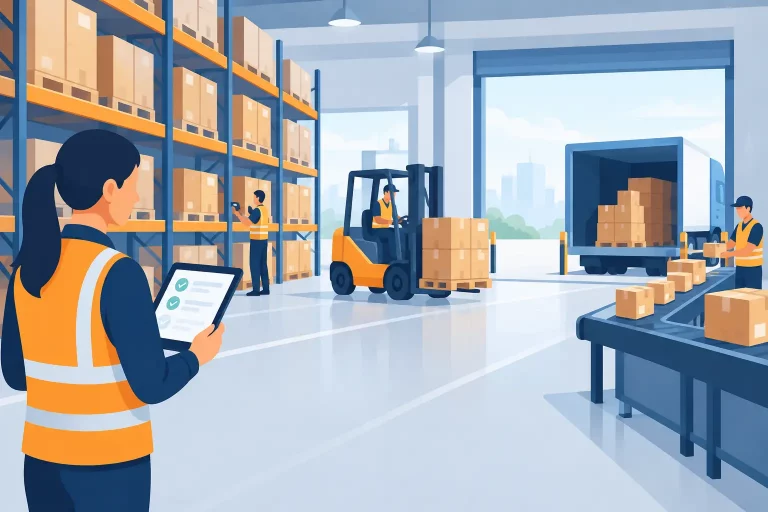
A connected wholesale operation gives every team the same source of truth. Sales can promise available stock with confidence. Purchasing can see demand before shortages become urgent. Warehouse teams can prioritize orders and ship accurately. Leadership can make decisions based on current inventory and order data rather than reports that are already outdated.
The right platform should make wholesale easier for customers while making fulfillment more predictable for your team. Choose the system that removes work from the order path, protects inventory accuracy, and gives your business room to add channels without adding chaos.