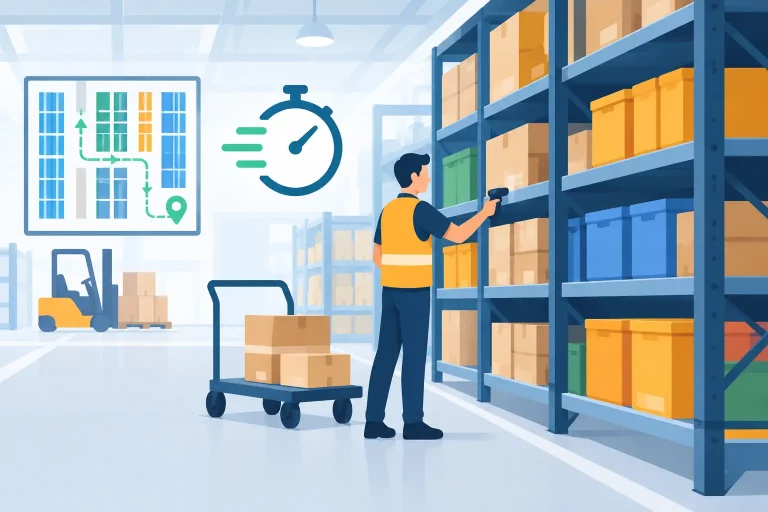
A wholesale order comes in with customer-specific pricing, case-pack rules, and a ship date tied to inventory that is also selling on Shopify, Amazon, and other channels. If your team is checking stock in one system, editing pricing in another, and pushing orders into a separate shipping tool, the risk is obvious: delays, errors, and inventory that stops being trustworthy. That is exactly where b2b wholesale ecommerce software matters.
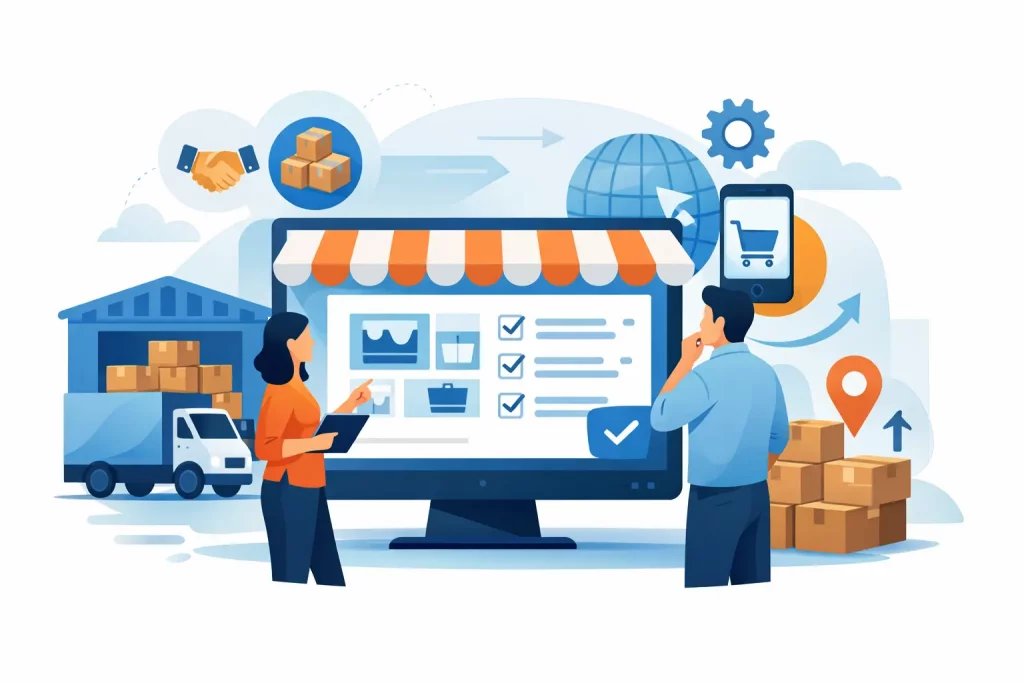
For wholesale businesses and multichannel sellers, this software is not just about putting a catalog online for trade buyers. It is the operational layer that connects pricing, inventory, ordering, fulfillment, purchasing, and customer management. The right system gives your team one place to control how wholesale actually runs, instead of forcing staff to patch together disconnected apps and spreadsheets.
What b2b wholesale ecommerce software should actually do
A lot of platforms claim wholesale support because they can display bulk pricing or accept larger orders. That is a narrow definition. In practice, wholesale operations are more demanding than standard ecommerce because every order tends to carry more rules. Buyers may have custom price lists, payment terms, reorder habits, approval workflows, shipping preferences, and product restrictions based on region, account type, or negotiated agreements.
Good b2b wholesale ecommerce software handles those realities without turning everyday work into manual exception management. It should let you control account-specific pricing, product visibility, minimum order quantities, case packs, tax treatment, and payment terms inside the same environment where inventory and orders are managed.
That last part matters. If your wholesale storefront is separate from your inventory and fulfillment workflows, the customer experience may look fine on the surface while operations break down behind it. A sales rep can promise stock that is no longer available. A warehouse can ship partial orders because pack configurations were not carried through correctly. Purchasing can miss replenishment timing because demand signals are split across channels.
Why disconnected systems create wholesale bottlenecks
Wholesale teams often tolerate operational friction longer than they should because the business is still growing. Orders are processed manually. Inventory is updated at the end of the day. Pricing changes happen through spreadsheets and email approvals. For a while, experienced staff can keep that running.
The problem shows up when order volume rises or channel complexity increases. A business selling DTC, marketplaces, and wholesale at the same time cannot afford inventory latency. Stock needs to update in real time or close to it across every sales path. Otherwise, overselling becomes more likely, customer confidence drops, and fulfillment teams spend their time fixing avoidable mistakes.
Disconnected systems also create hidden labor costs. When a wholesale order has to be rekeyed for invoicing, manually checked for available stock, then exported again for shipping, you are paying for software and still relying on headcount-heavy workarounds. That is not scale. It is just delayed complexity.
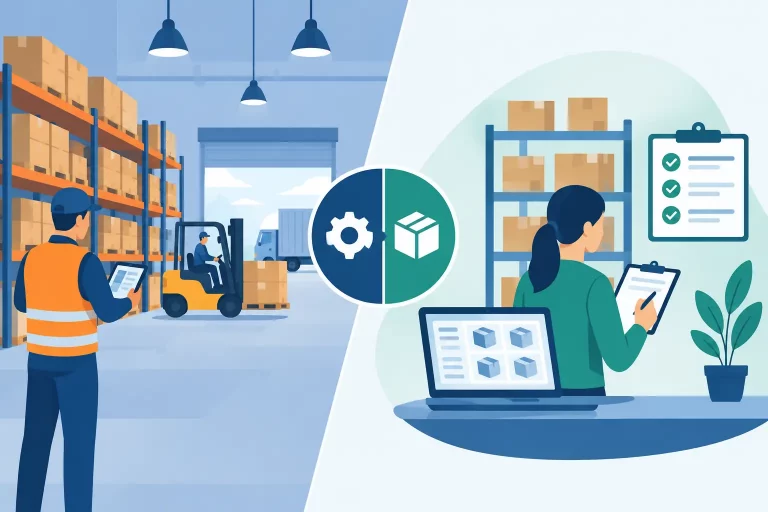
This is where operationally focused platforms stand apart. They are built to centralize workflows so your team is not switching between storefronts, order tools, warehouse systems, and purchasing records to answer basic questions about what was sold, what is available, and what needs to ship next.
Core features to look for in b2b wholesale ecommerce software
The best evaluation process starts with operational needs, not feature volume. More features do not automatically mean a better fit. What matters is whether the software supports the way your products, buyers, warehouses, and order flows actually work.
Inventory visibility across channels
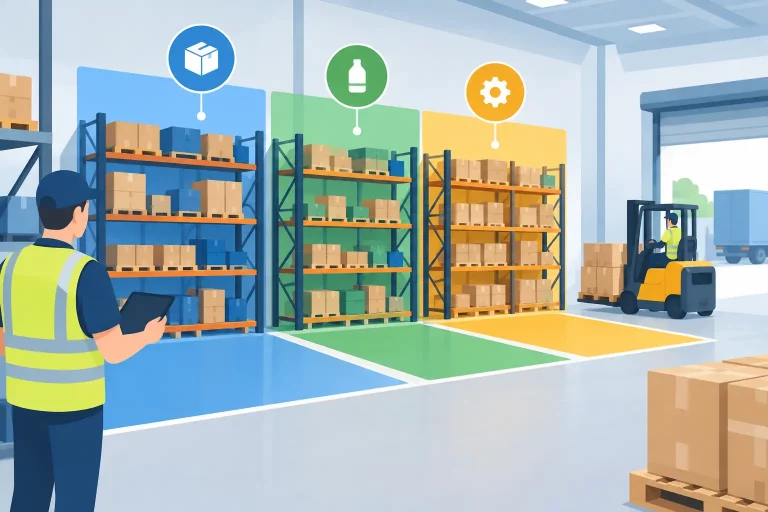
Wholesale cannot run on unreliable stock data. Your system should maintain a single inventory view across B2B orders, DTC stores, marketplaces, and warehouse activity. If stock is committed to a wholesale customer, that allocation needs to be reflected everywhere else quickly enough to prevent overselling.
This is especially important for businesses managing bundles, kits, variants, or inventory across multiple warehouse locations. A platform that only tracks stock at a basic SKU level may create more problems than it solves once fulfillment becomes more complex.
Customer-specific pricing and account rules
Wholesale pricing is rarely one-size-fits-all. You may need price lists by customer, group, territory, or sales channel. Some buyers need net terms, some prepayment, and some product restrictions based on contract or geography. Your software should support those conditions natively, without requiring your team to maintain pricing logic outside the platform.
The same goes for minimum order values, pack sizes, quantity breaks, and reorder rules. If those controls are not built into the ordering process, your staff will end up policing orders manually.
Order management tied to fulfillment
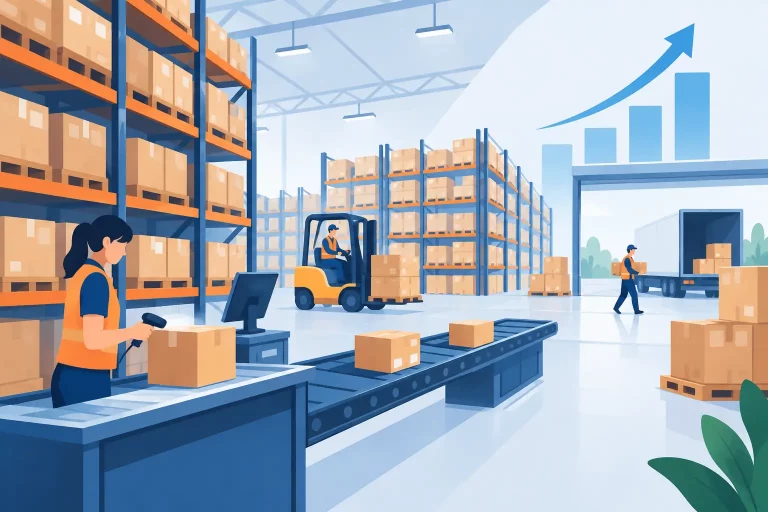
Taking a wholesale order is only the start. The software should move that order into fulfillment with all the right data attached: warehouse routing, shipping method, account notes, pack logic, and payment status. If that handoff is weak, warehouse teams spend more time interpreting orders than shipping them.
Look closely at how the platform handles backorders, split shipments, pick workflows, and partial fulfillment. Some businesses need strict shipment control for retailer compliance. Others need flexibility for mixed inventory availability. There is no universal answer, so this is one of the areas where fit matters more than broad marketing claims.
Purchasing and replenishment support
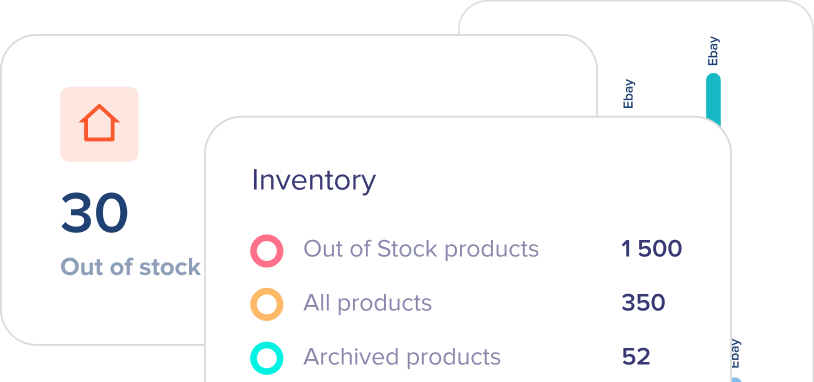
Wholesale demand can create larger inventory swings than standard online retail. A system that helps you monitor stock movement and trigger replenishment planning gives operations teams more control over future availability. If purchasing sits outside your ecommerce and order data, demand planning becomes slower and less accurate.
This is one reason many growing merchants move away from lightweight storefront-only tools. They need software that supports operational decisions, not just order capture.
How to evaluate software based on your business model
Not every business needs the same type of b2b wholesale ecommerce software. A brand with a simple catalog and one warehouse may prioritize easy buyer ordering and account-based pricing. A multichannel operator with fast-moving SKUs, marketplace exposure, and distributed stock needs tighter control over inventory sync, shipping workflows, and warehouse execution.
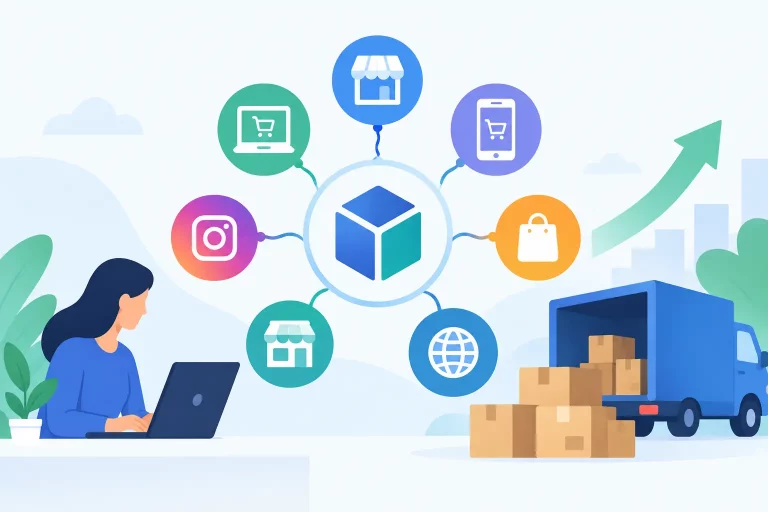
If you sell both wholesale and direct-to-consumer, ask whether the software treats those channels as part of one operation or as separate silos. Shared inventory visibility, centralized catalog control, and unified order management usually produce better operational outcomes than maintaining parallel systems.
If you rely on marketplaces as well as wholesale accounts, integration depth matters even more. A platform may have a wholesale portal, but if it cannot keep listings, stock, and orders aligned across your broader sales ecosystem, you still end up with fragmented operations.
This is also where implementation realism matters. Some systems are flexible but require heavy customization. Others are easier to launch but limited once complexity grows. The right choice depends on whether you need immediate simplicity or room to support more warehouses, channels, users, and workflow automation over time.
Signs your current setup is holding growth back
Most businesses know they need better software before they can clearly define what is missing. The clues show up in day-to-day work. Your team may be spending too much time reconciling stock, fixing order exceptions, updating pricing manually, or answering customer questions that should be easy to resolve from one dashboard.
Another sign is when growth creates more operational stress than revenue confidence. If every new account, product line, or sales channel adds a layer of manual work, your infrastructure is limiting scale. Wholesale should increase order value and repeat business. It should not force your team into a constant cycle of spreadsheet corrections and shipping delays.
This is why many operators start looking for a system that connects wholesale sales with inventory, shipping, warehouse management, and purchasing instead of treating them as separate functions. A platform like eSwap is built around that operational model, giving merchants centralized control over stock, orders, fulfillment, catalog data, and B2B workflows in one environment.
The real value is control, not just online ordering
It is easy to reduce wholesale software to storefront features, but that misses the bigger point. The strongest systems improve operational control. They help you promise inventory more accurately, process larger orders with fewer errors, ship faster, and plan purchasing with better visibility into demand.
That does not mean every business needs the most complex platform available. If your workflows are simple, a lighter setup may be enough for now. But if your business is already balancing wholesale, retail, and multichannel fulfillment, the cost of fragmented tools rises quickly.
The right software gives your team fewer systems to manage, fewer manual decisions to make, and fewer opportunities for stock and order data to fall out of sync. That is what supports profitable growth.
When you evaluate b2b wholesale ecommerce software, look past the sales demo and focus on what happens after an order is placed. The strongest choice is the one that keeps your inventory accurate, your warehouse moving, and your team in control as volume grows.