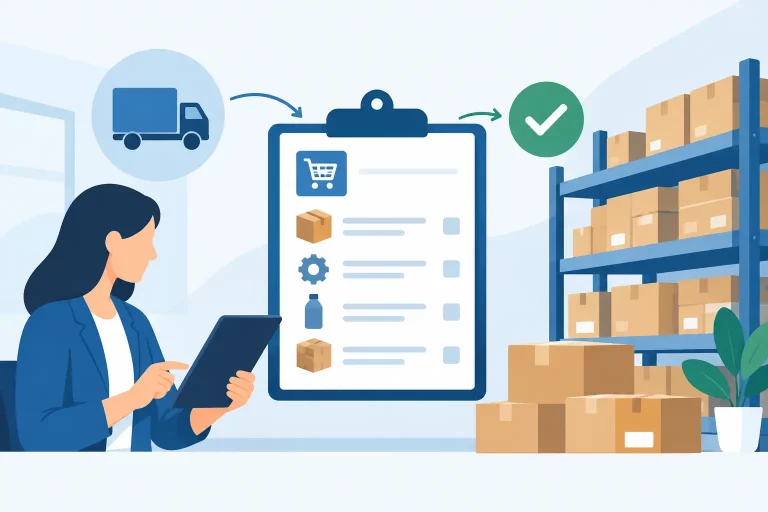
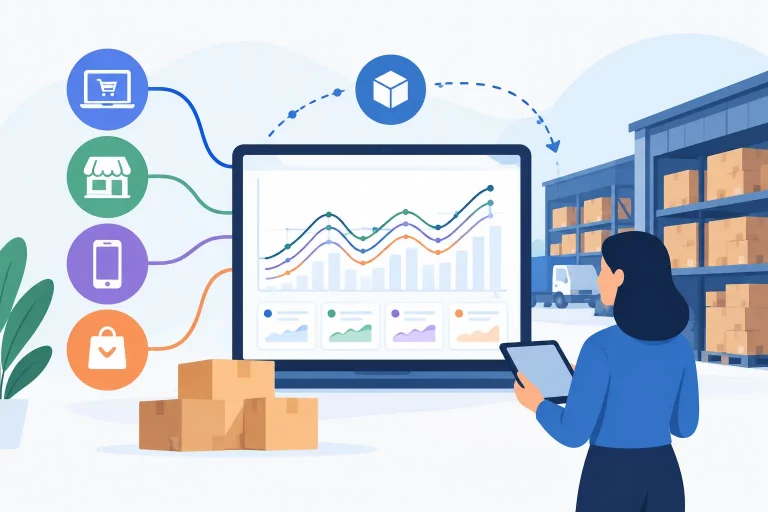
A fast-moving product can turn from a sales win into an inventory problem in a matter of days. Without clear purchase orders, a merchant may know that stock is running low but still lack the information needed to confirm what was ordered, from whom, at what cost, and when it is expected to arrive. That gap creates late reorders, receiving errors, overselling, and avoidable pressure on fulfillment teams.
For multichannel sellers, purchasing is not an isolated finance task. It is a core inventory control process. Every supplier order affects available stock, warehouse capacity, product costs, marketplace availability, and the ability to meet customer demand across every sales channel.
What Purchase Orders Do for Commerce Operations
A purchase order, often called a PO, is a formal record of the products a business intends to buy from a supplier. It typically includes the supplier, SKU or product details, quantities, agreed unit costs, expected delivery dates, shipping terms, and warehouse destination.
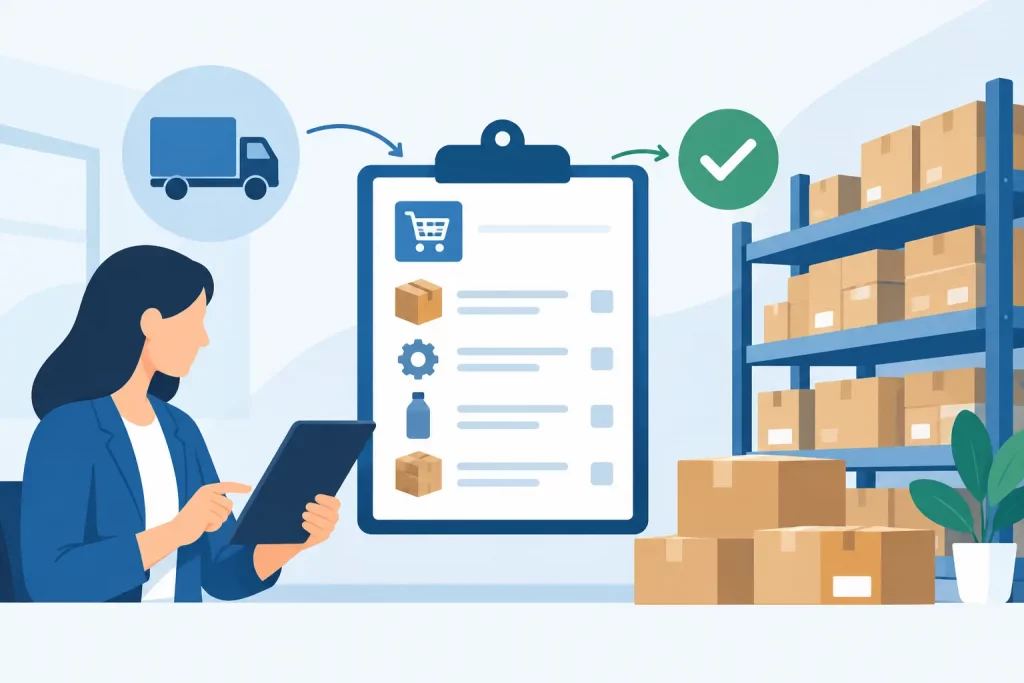
The document matters because it establishes a shared operational record before goods arrive. The buyer knows what inventory is expected. The supplier has confirmation of the requested items and quantities. The receiving team has a reference for checking inbound shipments. Finance has a basis for validating supplier invoices.
For a growing eCommerce operation, the value is less about the document itself and more about the control it creates. A properly managed PO connects planned replenishment to actual inventory movement. Instead of relying on email threads, spreadsheets, and verbal updates, teams can track the lifecycle of an order from draft to receipt.
That visibility becomes especially important when the same SKU is sold through Shopify, Amazon, eBay, Walmart, wholesale accounts, and other channels. A delayed inbound delivery can affect every channel at once. If the purchasing process is disconnected from inventory data, teams may continue selling stock that will not be available to fulfill.
The Purchase Order Workflow That Prevents Stock Surprises
An effective workflow begins before a PO is created. The purchasing team needs reliable demand and inventory data: current on-hand stock, committed quantities, stock in transit, open sales orders, lead times, reorder points, and expected sales velocity. Decisions based only on current stock levels can be misleading when a large batch of customer orders is already waiting to ship.
Once replenishment is needed, the buyer creates a PO with precise product and supplier information. Consistent SKUs are essential. If a supplier uses different item codes than the merchant, both references should be captured so the purchasing and receiving teams are working from the same product identity.
The PO should then move through clear statuses. A draft may still need internal review. An approved PO has been authorized for release. A sent PO has been communicated to the supplier. A partially received PO indicates that some, but not all, items have arrived. A closed PO confirms that no additional goods are expected.
These statuses are operational controls, not administrative labels. They show whether inventory is planned, in transit, or physically available. They also help teams spot orders that have been open too long and require supplier follow-up.
When goods arrive, the receiving team should compare the shipment against the PO before increasing sellable inventory. They need to verify quantities, product variants, condition, and warehouse location. If 500 units were ordered but only 460 arrive, the system should record the partial receipt rather than treating the order as complete.
That distinction protects inventory accuracy. It also gives purchasing teams a documented way to resolve shortages, damaged goods, substitutions, and backordered lines with suppliers.
Information Every PO Should Include
A purchase order should be detailed enough to support purchasing, receiving, and invoice validation without forcing employees to search for missing context. At a minimum, it should identify the supplier, PO number, issue date, destination warehouse, ordered products, quantities, unit costs, and expected delivery date.
Additional fields depend on the business model. Importers may need freight terms, container references, customs-related costs, and estimated arrival dates. Businesses buying from domestic distributors may need account numbers, supplier catalog codes, or minimum order quantities. Private-label sellers may need packaging specifications, batch details, or quality-control requirements.
The key is consistency. If each buyer uses a different format or stores supplier information in separate files, the process becomes difficult to audit and harder to scale. Standardized fields make it easier to compare supplier performance, evaluate landed costs, and understand which products are tying up cash.
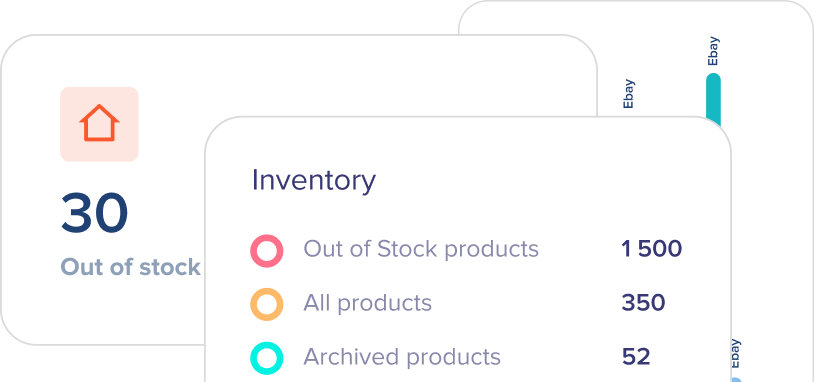

Cost accuracy deserves particular attention. The unit price on a PO may not represent the full inventory cost. Freight, duties, handling, and other expenses can materially change margins, especially for imported products or low-margin wholesale items. Whether those costs are recorded at the PO level or allocated after receipt depends on the accounting workflow, but they should not be ignored.
Why Spreadsheets Break Down as Order Volume Grows
Spreadsheets can work for early-stage purchasing when the product range is small, suppliers are limited, and one person manages replenishment. The problem starts when inventory is held in multiple warehouses, purchase orders are partially received, sales move across several channels, or more than one team member needs to update the same data.
A spreadsheet may show that 1,000 units were ordered, but it rarely provides a reliable real-time answer to more operational questions: How many units have arrived? Which warehouse received them? Which SKUs are delayed? Is the supplier invoice aligned with the received quantity? Are those inbound units already needed to cover open customer orders?
Manual updates also create timing problems. A buyer may update a PO in one file while the warehouse receives product into another system. Meanwhile, marketplace listings may continue to use outdated stock figures. The result is not simply extra admin work. It is an increased risk of overselling, mispicks, emergency replenishment, and customer disappointment.
Centralizing purchasing alongside inventory and warehouse activity reduces those gaps. A platform such as eSwap can connect purchase order creation, inbound receiving, inventory updates, catalog data, and multichannel order activity in one operational environment. That gives teams a clearer view of what is on hand, what is expected, and what inventory is already committed.
Build Controls Around Exceptions, Not Just Routine Orders
Most purchase orders are straightforward. The operational cost usually comes from exceptions: late deliveries, short shipments, unexpected substitutions, damaged cartons, price changes, and invoices that do not match the agreed terms.
A strong purchasing process makes those exceptions visible early. If a supplier misses an expected delivery date, the buyer should be able to identify the affected SKUs and assess whether inventory needs to be reallocated, listings paused, or customers notified. If an inbound shipment is short, the receiving team should record the discrepancy immediately instead of adjusting stock later without context.
Supplier performance should also inform future buying decisions. Track lead-time reliability, fill rate, pricing consistency, defect rates, and responsiveness to issues. The lowest unit price does not always produce the lowest operational cost. A supplier that frequently ships incomplete orders can create stockouts, extra labor, and lost sales that outweigh a modest price difference.
Approval rules are another useful control. Smaller, recurring replenishment orders may be approved automatically within defined budgets. Larger orders, first-time supplier purchases, or products with uncertain demand may need review from an operations manager or finance lead. The goal is not to slow purchasing down. It is to apply review where the financial and inventory risk is highest.
Use Purchase Orders to Improve Cash and Replenishment Decisions
Purchase orders are also a forward-looking cash planning tool. Open POs represent committed spend, while expected receipt dates show when that spend should turn into inventory available for sale. When this data is accurate, operators can make better decisions about what to reorder, when to negotiate payment terms, and where to avoid overbuying.
Reorder quantities should reflect more than a supplier’s minimum order requirement. Consider sales velocity, seasonality, lead time, safety stock, available warehouse space, current purchase commitments, and cash flow. A fast-selling product may justify deeper inventory coverage. A slow-moving or highly seasonal item may require a more conservative approach, even if buying more lowers the per-unit cost.
The right balance depends on the business. Holding too little inventory can lead to stockouts and lost ranking on marketplaces. Holding too much can lock up capital and increase storage costs. Purchase order data gives operators the evidence needed to make that trade-off deliberately rather than react after inventory becomes a problem.
Treat every PO as a live operational commitment, not a document filed after it is sent. When purchasing, receiving, inventory, and fulfillment teams work from the same record, inbound stock becomes predictable enough to support faster decisions and more confident growth.