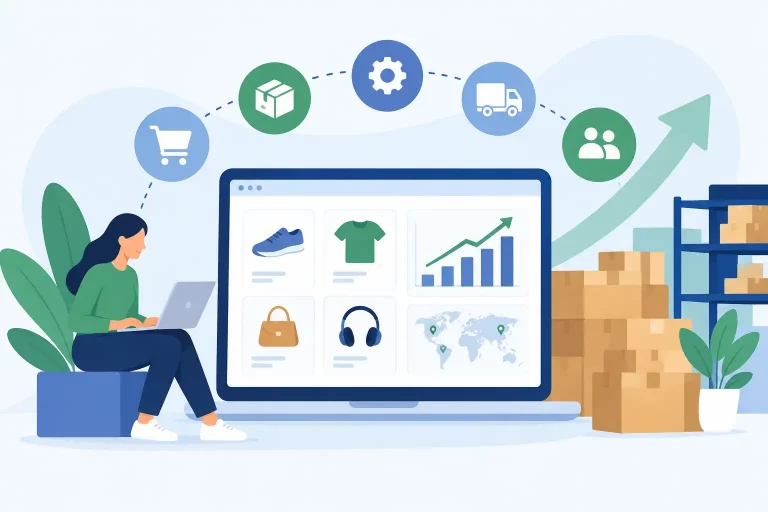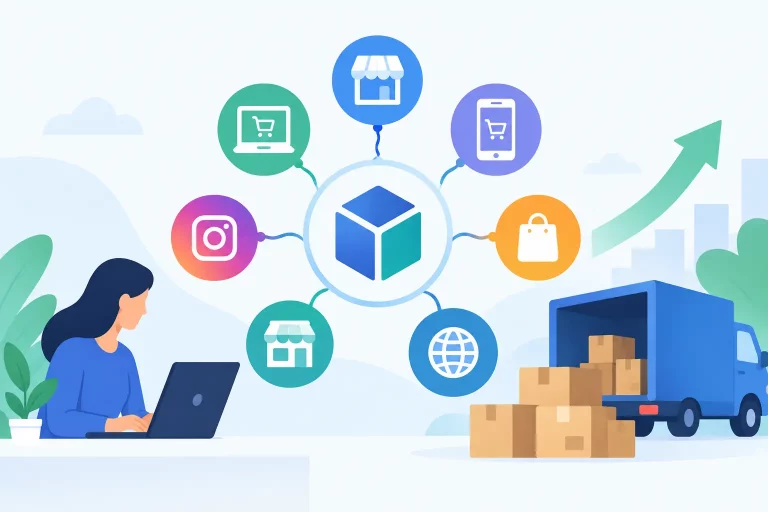
When orders rise across Shopify, Amazon, Walmart, eBay, and wholesale accounts, the problem is rarely demand. It is operational fragmentation. The best ecommerce operations platforms give teams one place to control inventory, orders, fulfillment, purchasing, catalogs, and shipping before manual work turns growth into costly mistakes.
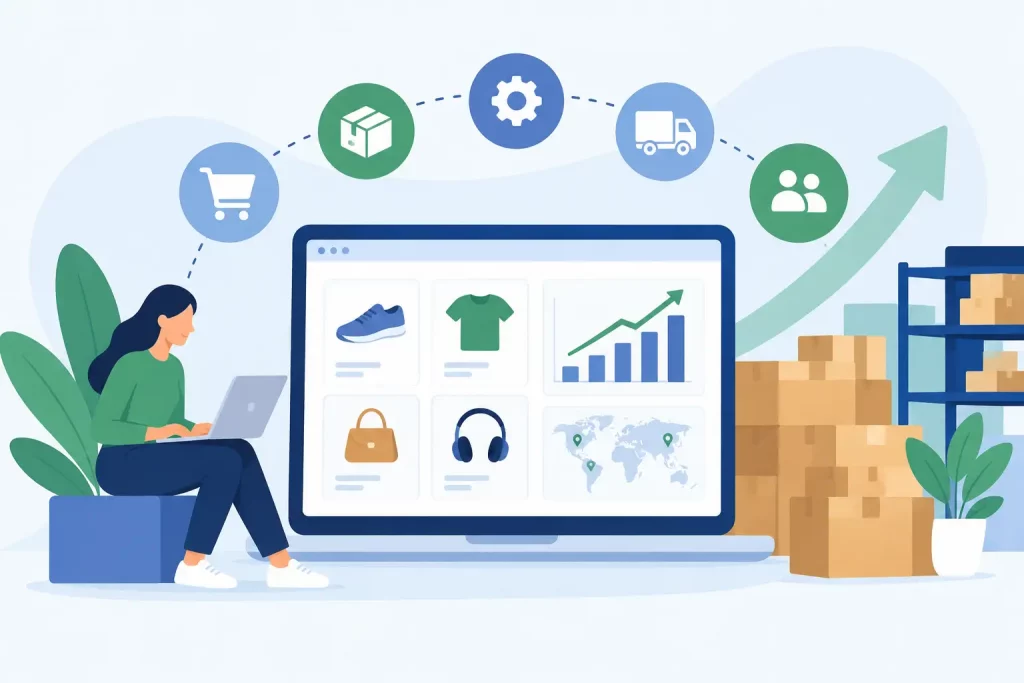
A strong platform is not simply a dashboard that pulls in orders. It should keep inventory accurate across every selling channel, direct orders to the right warehouse, support the way your team actually picks and ships, and provide reliable data for purchasing decisions. The right choice depends on your channel mix, warehouse complexity, order volume, and whether wholesale is part of your business.
What the Best Ecommerce Operations Platforms Should Do
Commerce operations software earns its place at the center of the business when it replaces disconnected processes, not when it adds another login. At a minimum, evaluate how each platform handles inventory synchronization, order management, shipping, warehouse workflows, purchasing, catalog management, reporting, and integrations.
Inventory control is the first test. If a product sells on two marketplaces and your direct-to-consumer store at the same time, stock needs to update fast enough to prevent overselling. For businesses with multiple warehouses, bundles, variants, or kitted products, the system also needs to calculate available inventory correctly at each location.
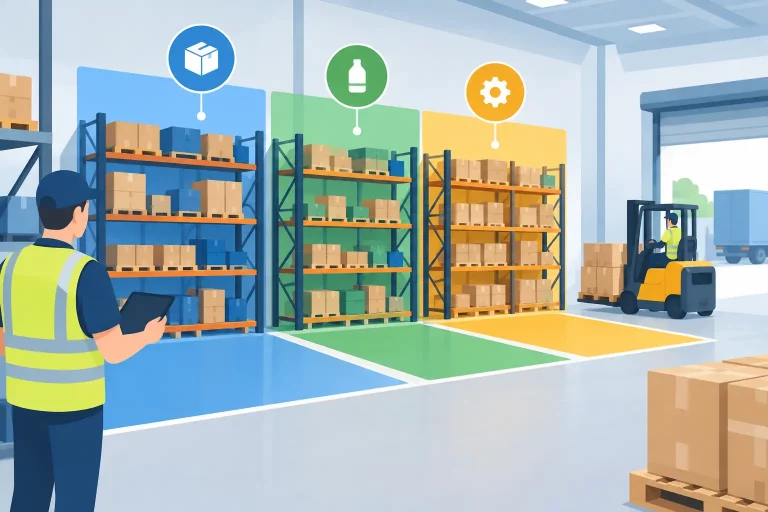
Order flow matters just as much. The platform should import orders reliably, apply routing rules, flag exceptions, and move approved orders into fulfillment without staff rekeying addresses or SKU details. Shipping tools should support carrier rate shopping, labels, tracking updates, and service rules. Warehouse teams need barcode-driven workflows, pick lists, packing controls, and clear visibility into what must ship next.
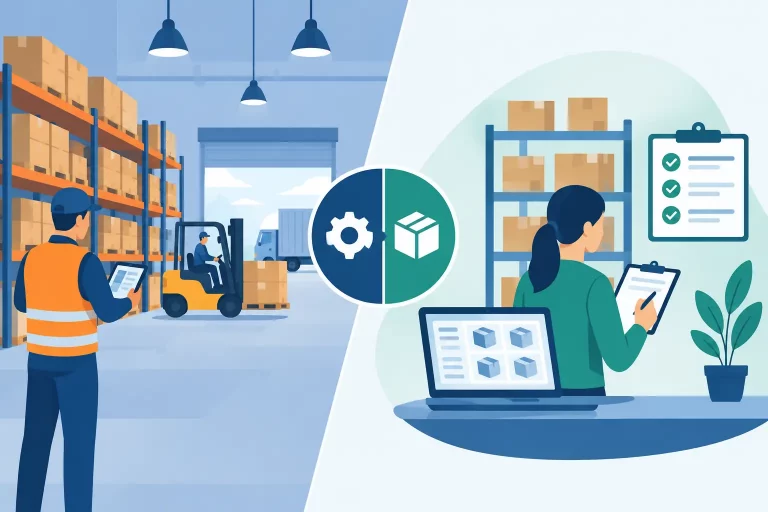
Finally, look beyond retail orders. Businesses that purchase inventory, sell to wholesale accounts, or manage sales representatives need workflows that connect these activities to the same stock and product data. Separate systems may work at low volume, but they create reconciliation work and blind spots as the business grows.
8 Best Ecommerce Operations Platforms to Evaluate
1. eSwap
eSwap is built for merchants that need centralized control over multichannel retail, warehouse fulfillment, shipping, purchasing, and wholesale activity. It connects selling channels, marketplaces, carriers, accounting tools, and payment systems so teams can manage core workflows from one operational environment.
It is a strong fit for growing businesses selling through several channels and warehouses that need more than basic inventory sync. Its warehouse and shipping capabilities, catalog controls, purchase workflows, and built-in B2B functionality are particularly relevant for operators trying to reduce manual handoffs between retail and wholesale processes. The key consideration is implementation discipline: teams get the best result when they standardize SKUs, locations, and fulfillment rules before turning on automation.
2. Cin7 Core
Cin7 Core is an inventory and order management option for product businesses that need purchasing, manufacturing-related workflows, and accounting connectivity alongside multichannel sales. It can suit companies with more detailed inventory requirements than a basic ecommerce app can handle.
Its strength is operational breadth for inventory-led businesses. However, teams should confirm that its warehouse workflows, shipping process, and marketplace integrations match their day-to-day needs. A feature-rich inventory system can still create friction if warehouse staff need workarounds to pick, pack, and ship efficiently.
3. Linnworks
Linnworks is widely used by marketplace-focused sellers managing inventory and orders across multiple sales channels. It is often considered by businesses with a significant Amazon, eBay, or marketplace footprint that need centralized listing and order operations.
The platform can be a practical choice when marketplace connectivity is the main priority. Evaluate its fit carefully if your business also requires deeper wholesale management, purchasing controls, or complex warehouse processes. Marketplace scale and operational scale are related, but they are not identical requirements.
4. Brightpearl
Brightpearl focuses on retail operations, including order management, inventory, fulfillment, and retail reporting. It is often evaluated by established merchants that want a retail operations system with structured workflows and financial visibility.
This can work well for businesses with mature retail processes and a need for organized back-office operations. The trade-off may be flexibility and implementation scope. Companies should map their channel-specific rules, warehouse requirements, and integration priorities early so the system supports the operation rather than forcing unnecessary process changes.
5. Extensiv Order Manager
Extensiv Order Manager, formerly known as Skubana, is designed for multichannel sellers that need centralized order management, inventory visibility, and automation. It is commonly considered by brands that sell across marketplaces and direct channels while coordinating fulfillment internally or through partners.
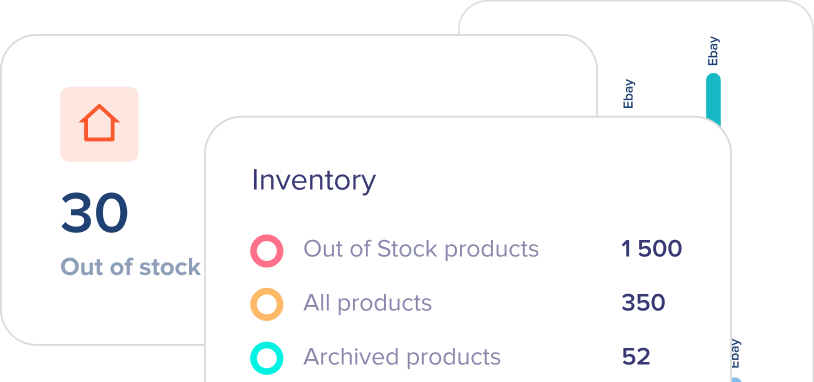
Its appeal is in order orchestration and multichannel control. Before selecting it, confirm how it handles purchasing, catalog complexity, shipping requirements, and the reporting detail your operations team needs. These areas become more important as SKU counts and warehouse activity increase.
6. NetSuite
NetSuite is a broad enterprise resource planning platform used by larger organizations that need finance, inventory, order management, procurement, and other business functions in one environment. It can be a logical option for companies with complex financial controls or multi-entity requirements.
The advantage is enterprise-level scope. The cost is usually a longer implementation, higher administrative demand, and the potential need for custom configuration. For a fast-moving ecommerce business, the question is whether enterprise breadth is necessary or whether a commerce-first operations platform will deliver faster operational value.
7. Shopify Plus
Shopify Plus is primarily an enterprise ecommerce platform, but it can play a central role in operations for brands that sell heavily through Shopify storefronts. Its ecosystem supports automation, B2B selling, and connections to a wide range of specialized operations tools.
It is a good foundation for storefront-led brands, especially those prioritizing customer experience and online merchandising. Still, Shopify Plus is not automatically a complete operational control center for multichannel inventory, complex warehouse execution, or purchasing. Many merchants need additional systems as their marketplace, wholesale, and fulfillment requirements expand.
8. Acumatica
Acumatica is a cloud ERP platform that supports inventory, order management, financials, and distribution operations. It can be a fit for distributors and larger commerce businesses that want ERP-level process control with configurable workflows.
Its flexibility can be valuable for organizations with complex approval processes, multiple entities, or distribution requirements. That flexibility also demands clear ownership and implementation planning. Smaller teams should assess whether they have the internal resources to manage an ERP environment over time.
How to Choose an Ecommerce Operations Platform
Start with the operational failure you need to eliminate. If overselling is the immediate problem, prioritize real-time inventory synchronization, channel-level stock rules, and accurate bundle logic. If late shipments are hurting customer experience, focus on order routing, warehouse scanning, carrier integration, and shipping automation. If purchasing decisions are based on spreadsheets, look for demand visibility, replenishment workflows, supplier records, and purchase order controls.
Then test the platform against real scenarios, not generic feature lists. Ask how it handles an order containing a bundle, an item stored in two warehouses, and a backordered SKU. Check what happens when a marketplace listing changes, a shipment is split, or a wholesale customer has negotiated pricing. The answers reveal whether the system can support your actual operation.
Integration quality deserves the same scrutiny. A platform may list dozens of connectors, but the useful question is whether data moves in the direction, frequency, and level of detail your team needs. Confirm how inventory adjustments, cancellations, tracking numbers, returns, product updates, and accounting data are handled. Manual reconciliation is often the hidden cost of a weak integration.
Implementation should also be part of the buying decision. Clean product data, consistent SKU conventions, warehouse location setup, and defined operating rules are not optional details. The platform can automate a process only after the process is clear. A phased rollout often reduces risk: centralize orders and inventory first, then add warehouse automation, purchasing, and wholesale workflows.
Build for Control Before You Build for Volume
The best platform is not necessarily the one with the longest feature list or the largest app marketplace. It is the one that gives your team dependable control over the workflows that determine whether customers receive the right products on time and whether leadership can trust the inventory numbers.
Choose a system that fits the business you are running now, but does not require a rebuild when another channel, warehouse, or wholesale account comes online. Operational clarity is what lets growth remain profitable.