An order that sits unpicked for two hours can create far more than a late shipment. It can trigger marketplace performance issues, customer service tickets, canceled orders, and warehouse overtime. Learning how to speed up order fulfillment is not simply about asking teams to work faster. It requires removing the operational friction that slows orders down before they reach the packing station.

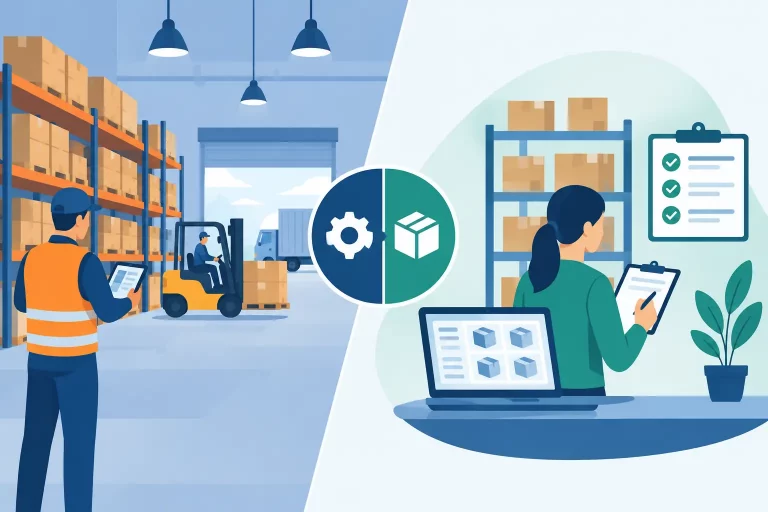
For multichannel sellers, that friction usually starts outside the warehouse. Orders arrive from multiple storefronts and marketplaces, inventory updates lag behind sales, shipping decisions are made manually, and teams work from disconnected screens or spreadsheets. Faster fulfillment comes from creating one controlled workflow from order capture through carrier handoff.
How to Speed Up Order Fulfillment at the Source
The fastest warehouse process cannot compensate for inaccurate order or inventory data. When a picker reaches a bin and finds unavailable stock, the entire order stops. Someone must investigate, substitute an item, contact the customer, or split the shipment. Those exceptions consume more time than normal orders and make daily output unpredictable.
Centralize orders from every sales channel before they enter the fulfillment queue. A single operational view lets the team see order status, payment status, fulfillment location, shipping requirements, and exceptions without switching between marketplace portals. It also gives managers a reliable queue to prioritize instead of relying on manual order exports.
Keep inventory accurate in real time
Inventory accuracy is one of the most direct ways to improve fulfillment speed. Stock should update when an order is placed, canceled, returned, received, transferred, or adjusted. This is especially critical when the same SKU is sold through Amazon, eBay, Shopify, Walmart, wholesale accounts, and physical locations.
Set clear rules for available inventory. Reserve stock for paid orders, account for safety stock where demand is volatile, and prevent listings from advertising units that are already committed elsewhere. If inventory data is delayed or fragmented, teams spend their day handling exceptions rather than shipping orders.
Regular cycle counts matter as well. A full annual count may satisfy accounting requirements, but it does little to protect daily fulfillment performance. Count fast-moving, high-value, and historically problematic SKUs more frequently. Investigate recurring variances by location, employee workflow, receiving process, or product type instead of treating every adjustment as a one-off event.
Clean up product and location data
Poor catalog data creates avoidable warehouse decisions. Similar product names, incomplete barcodes, unclear variants, and missing dimensions force pickers and packers to pause. Each pause may feel minor, but multiplied by hundreds of orders, it becomes a material capacity problem.
Use consistent SKU structures, scannable product identifiers, accurate weights and dimensions, and clear bin locations. For kits and bundles, define component inventory and assembly rules before orders arrive. A warehouse should not be deciding at the bench whether a bundle can be fulfilled or searching for its components.
Build a Warehouse Workflow for Fast, Repeatable Picks
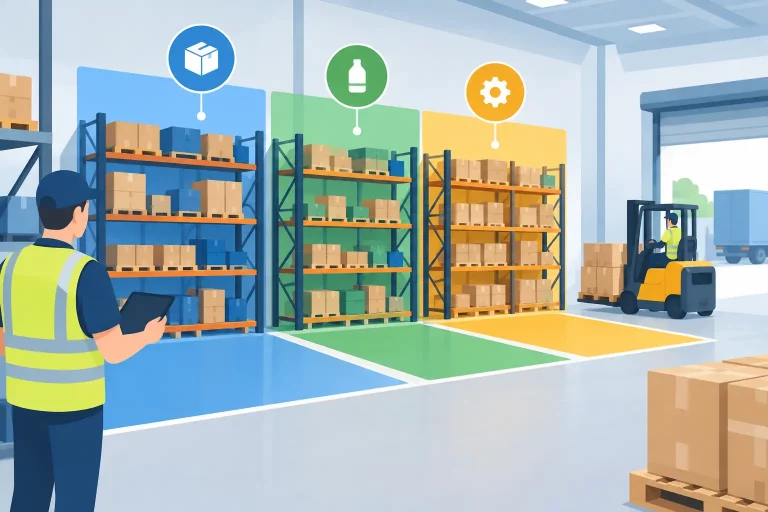
Speed improves when the warehouse is organized around the actual order profile, not around how products happened to arrive. Review where your highest-volume SKUs sit, how often orders contain multiple lines, and which fulfillment zones create congestion. Fast-moving items should be easy to access and replenished before pick faces run empty.
Batching can increase output when many orders share products or warehouse zones. Rather than walking the same aisle for one order at a time, a picker can collect items for multiple orders in one route and sort them at a designated station. The right batch size depends on order complexity and available space. Large batches reduce travel time but can increase sorting errors if the process is not supported by scanning and clear tote management.
Use the right picking method for your volume
Single-order picking can work well for low-volume operations, customized products, or complex orders that require careful handling. Batch picking generally suits high volumes of small, repeatable orders. Zone picking is useful in larger warehouses where orders can be divided across areas and consolidated before packing.
There is no universal best method. The practical choice depends on average lines per order, SKU velocity, warehouse layout, and the cost of errors. Start with the process that removes the largest bottleneck, then measure whether it improves orders picked per labor hour without raising mis-pick rates.
Scan at the moments that matter
Barcode scanning is a control mechanism, not just a speed tool. Scanning at pick, pack, and ship confirms that the selected item matches the order and that the shipment receives the correct tracking record. It prevents a fast but unreliable process from creating downstream returns and support work.
The goal is not to add unnecessary scan steps. It is to place validation where errors are expensive. For many sellers, scanning the bin or product during picking and confirming the shipment at packing provides the right balance between speed and control.
Automate Order Routing and Shipping Decisions
Manual order assignment creates delays as teams decide where an order should ship from, whether it can be combined with another order, and which service level applies. These decisions can be handled with rules based on inventory availability, warehouse location, customer destination, order value, shipping method, or channel requirements.
An order management platform can route orders to the best fulfillment location automatically, reducing split shipments and avoiding a manual review queue. It can also hold orders that need attention, such as orders with address issues, fraud-review status, or unavailable inventory, while allowing clean orders to move directly to fulfillment.
Shipping automation has a similar effect. Map carrier services to the delivery promise, package type, destination, and cost targets. When labels are generated in a centralized workflow, teams do not need to re-enter addresses or compare services across separate carrier systems. Tracking can then flow back to the sales channel automatically, helping protect marketplace service metrics and keeping customers informed.
This is where integrated operations software delivers a measurable advantage. eSwap centralizes inventory, order, warehouse, and shipping workflows so sellers can move qualified orders from channel to carrier without recreating data or relying on disconnected tools.
Reduce Packing Station Delays
Packing often becomes the hidden constraint after picking improves. A team may collect orders quickly, only to create a queue of carts waiting for labels, cartons, inserts, or shipping decisions. Watch the packing area during peak periods. If packers are walking away for supplies or asking for order information, the station is not designed for throughput.
Stock the station with the right range of cartons, mailers, void fill, tape, scales, printers, and commonly required documentation. Standardize packaging for frequently shipped products where possible. Accurate product dimensions and shipping rules allow the system to recommend appropriate packaging and carrier services instead of leaving every selection to individual judgment.
Packing speed should never come at the cost of damage prevention. A cheaper or faster package can create expensive claims and replacements if it does not protect the product. Review damage rates by SKU and package type, then adjust standards where the data shows a recurring problem.
Manage Exceptions Without Stopping the Queue
Every operation has exceptions. The problem begins when exceptions stop every order behind them. Separate orders that require review from orders that are ready to pick. A missing unit, incomplete address, backorder, or special customer request should be visible to the right person, but it should not hold the normal fulfillment queue hostage.
Create clear ownership for common exceptions and define response times. For example, inventory discrepancies may go to the inventory control team, address corrections to customer service, and carrier restrictions to shipping leads. The faster normal orders are released from these decisions, the more stable warehouse output becomes.
Measure the Constraints, Not Just Daily Shipments
Daily order count is useful, but it does not explain why performance changes. Track the time from order receipt to pick release, pick completion to pack completion, and pack completion to carrier acceptance. Review error rates, split shipments, inventory-related holds, label reprints, and orders fulfilled per labor hour.
These measures reveal where capacity is actually being lost. If orders wait for pick release, the issue may be channel integration or routing rules. If picks are slow, investigate layout, replenishment, and batch design. If completed packages wait for carrier pickup, the problem may be cutoff times or dock scheduling rather than warehouse labor.
Set service-level targets that reflect your customer promise and channel obligations. Same-day fulfillment may be essential for some marketplaces, while a wholesale order may need accurate allocation and appointment-ready documentation more than immediate shipment. Fast fulfillment should match the service requirement, not create unnecessary cost through rushed handling or premium shipping.
A stronger fulfillment operation is built one controlled handoff at a time. When inventory, orders, warehouse tasks, and shipping decisions operate from the same source of truth, your team can spend less time chasing exceptions and more time getting accurate orders out the door.