A late shipment rarely starts in the warehouse. More often, it starts hours earlier with a bad stock count, a missed routing rule, a duplicate order record, or a purchasing delay nobody saw in time. That is why ecommerce back office automation matters. It fixes the operational gaps behind the customer experience, where inventory, orders, purchasing, shipping, and warehouse workflows either stay in sync or quietly create expensive problems.

For growing sellers, the issue is not whether tasks can be done manually. They can, for a while. The real question is how long manual coordination holds up once you add more channels, more SKUs, more warehouses, or wholesale alongside direct-to-consumer sales. At that point, spreadsheets, disconnected apps, and inbox-based approvals stop being flexible. They become a source of overselling, delayed fulfillment, poor inventory decisions, and unnecessary labor.
What ecommerce back office automation actually covers
When operators hear automation, they sometimes think only about simple triggers like sending a shipping confirmation or printing a packing slip. Useful, yes, but too narrow. In practice, ecommerce back office automation is about coordinating the systems and rules that keep commerce operations accurate from end to end.
That usually includes inventory syncing across channels, order import and allocation, shipping method selection, warehouse routing, purchase order generation, catalog updates, accounting handoff, and wholesale workflow management. The value comes from connecting these functions so one event updates the next process automatically.
If an order is placed on one channel, stock should adjust everywhere else. If inventory falls below a threshold, purchasing should be prompted before a stockout becomes a revenue problem. If a SKU requires a specific warehouse or carrier service, the system should apply those rules without someone checking every order by hand. That is the difference between isolated software features and true operational automation.
Where manual processes break first
Most teams do not hit a wall all at once. The cracks show up in a few predictable places.
Inventory accuracy is usually the first problem. Selling across marketplaces, a branded storefront, and wholesale accounts creates constant stock movement. If updates lag between systems, availability becomes unreliable. One oversold item may look minor, but repeated stock errors damage marketplace metrics, trigger cancellations, and create extra service work.
Order management is the next weak point. Teams start copying orders between systems, checking for fraud manually, deciding fulfillment locations case by case, and correcting shipping selections after the fact. That may work with low volume, but as order counts rise, small delays multiply into missed cutoffs and warehouse congestion.
Purchasing often remains reactive longer than it should. Without clear visibility into sales velocity, committed stock, and incoming inventory, buyers reorder too late or too often. The result is a familiar split between dead stock on some SKUs and shortages on others.
Catalog operations also become harder to control. Listing errors, mismatched product data, and inconsistent channel content create returns, support tickets, and marketplace issues. This is especially common for merchants with variants, bundles, kits, or wholesale pricing structures.
The strongest gains come from connected workflows
The biggest benefit of automation is not simply labor reduction. It is operational control. Teams perform better when they stop managing exceptions caused by disconnected systems.
Take multichannel inventory as an example. If inventory updates are centralized and real time, operators spend less time reconciling stock and more time making planning decisions. If order routing is rule-based, fulfillment stays consistent even during volume spikes. If shipping workflows are automated, teams reduce carrier selection errors and improve throughput without adding headcount at the same pace as order growth.
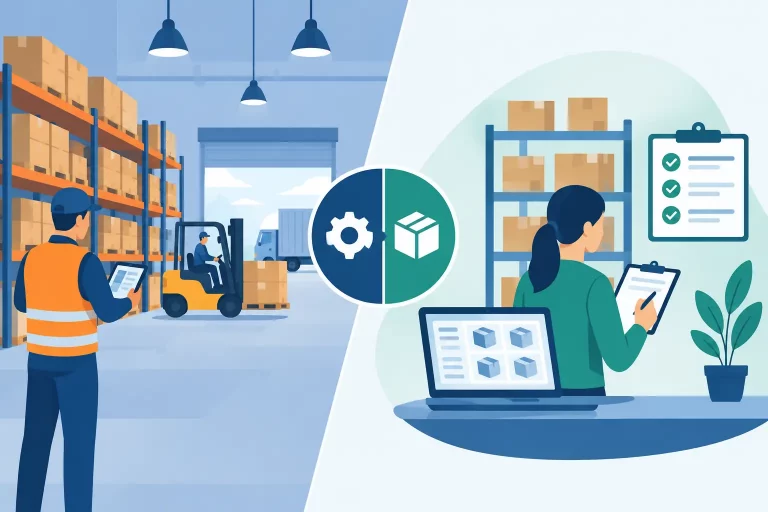
This is where a centralized operations platform makes a real difference. Instead of forcing staff to move between separate tools for orders, inventory, shipping, warehouse activity, and purchasing, the work is managed in one place with common data and shared rules. That structure gives businesses better control over execution and fewer opportunities for errors to enter the process.
Ecommerce back office automation and multichannel selling
Multichannel growth is often what pushes automation from useful to necessary. Every new channel adds demand, but it also adds complexity in listings, order intake, fulfillment expectations, and stock synchronization.
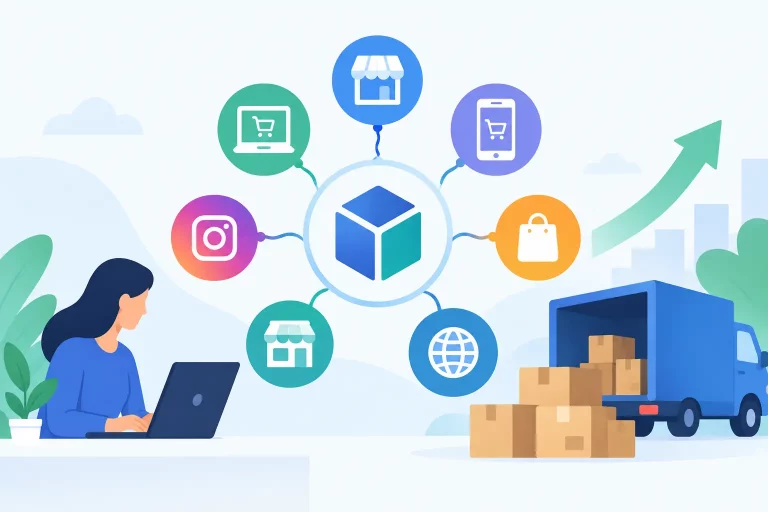
A seller managing Amazon, eBay, Shopify, Walmart, and wholesale accounts cannot afford conflicting inventory numbers or channel-specific workarounds. The operating model has to support centralized visibility with channel-level execution. That means one accurate inventory position, one order flow, and one place to apply fulfillment, warehouse, and purchasing logic.
Without that setup, businesses end up hiring people to bridge system gaps rather than improve performance. Headcount grows, but control does not. Automation changes that equation. It reduces dependence on manual updates and gives operators a reliable way to scale across channels without introducing daily chaos.
There is still a trade-off to manage. The more channels you add, the more important exception handling becomes. Not every marketplace has the same requirements, and not every order should follow the same path. Strong automation does not force one rigid workflow onto every case. It applies rules where consistency matters and leaves room for operational overrides when needed.
What to automate first
Not every business should start in the same place. The right sequence depends on where errors are most expensive.
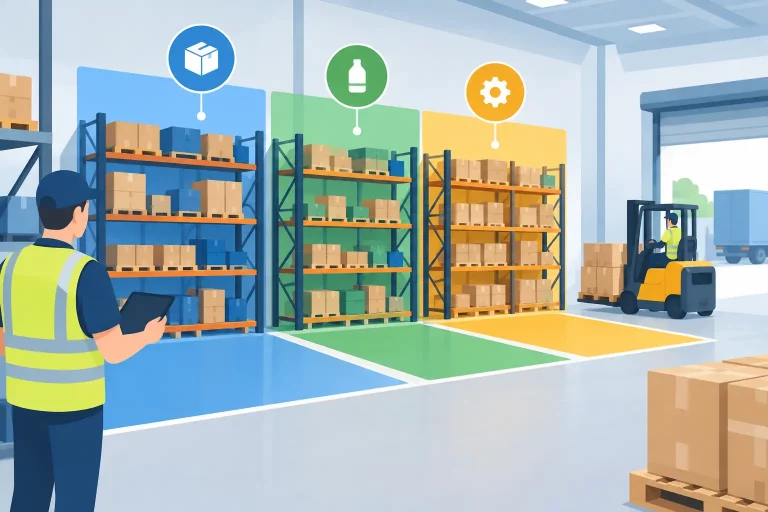
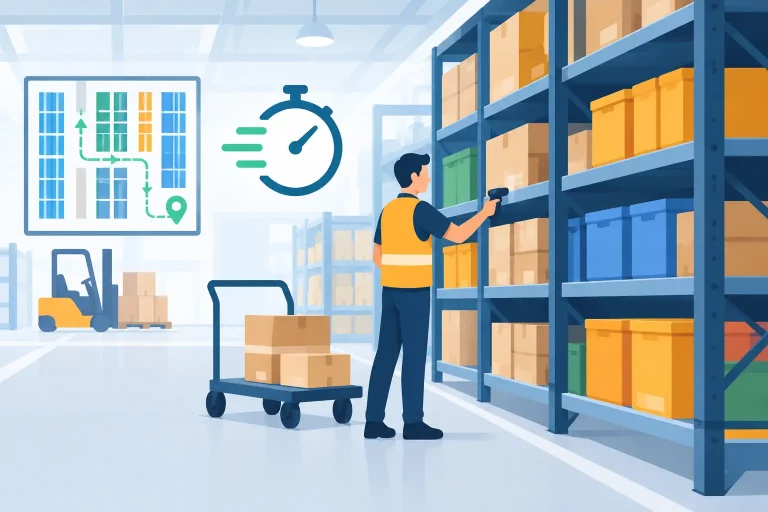
For many merchants, inventory synchronization is the highest priority because it affects every sales channel at once. If stock is wrong, downstream processes are already compromised. Others should start with order and shipping workflows because delayed fulfillment is their biggest operational pain. Warehouse-driven businesses may get the fastest return from automating pick, pack, and routing logic. Sellers with uneven stock positions may need better purchasing automation before anything else.
The practical rule is simple: automate the process where manual work creates repeated errors, not just inconvenience. Saving ten minutes matters less than preventing oversells, missed shipments, duplicate purchasing, or poor stock allocation.
It also helps to focus on workflows that cross departments. A task that looks manageable inside one team may be creating friction for three others. Automation has the strongest impact when it removes handoffs, duplicate entry, and unclear ownership between operations, warehouse, customer service, and purchasing.
What good implementation looks like
Automation only improves performance if the underlying data and workflows are clean enough to support it. If product data is inconsistent, warehouse locations are poorly maintained, or order statuses mean different things in different systems, automation will simply move bad information faster.
A good rollout starts with standardizing core records and decision points. Teams need clear SKU structure, accurate inventory locations, defined reorder rules, and channel mappings that make sense. After that, automation should be introduced around the highest-volume and highest-risk workflows.
It is also worth being realistic about timing. Some workflows can be automated quickly, while others need process cleanup first. Businesses often want instant gains everywhere, but the better approach is controlled expansion. Start where the process is repeatable, prove the value, then extend automation into more complex areas like wholesale, multi-warehouse allocation, or advanced purchasing.
This is also why software choice matters. A lightweight app may solve one task well but create more fragmentation overall. Operators who need inventory, order, shipping, warehouse, catalog, and purchasing control usually outgrow point solutions fast. A connected platform such as eSwap is better suited to businesses that need one operational system across retail and wholesale activity.
The metrics that tell you it is working
You do not measure back-office automation by whether people feel busier or calmer. You measure it by operational outcomes.
Inventory accuracy should improve. Oversells and stock discrepancies should decline. Order processing time should shrink, especially from import to fulfillment release. Warehouse throughput should become more predictable. Shipping errors should fall, and purchasing decisions should rely less on guesswork. As volume grows, labor should rise more slowly than order count.
There is also a less visible but equally important result: confidence. When operators trust the data, they make faster decisions. They stop second-guessing available stock, chasing status updates across tools, or building side spreadsheets to compensate for missing visibility. That confidence is not soft value. It directly affects fulfillment speed, purchasing quality, and the business’s ability to add channels or warehouses without losing control.
Why this matters before you feel overwhelmed
A lot of businesses wait too long to automate because the current process still technically works. Orders are shipping. Teams are coping. Revenue is growing. But if growth depends on more manual coordination every month, the model is already under strain.
Ecommerce back office automation is not just a fix for operational pain after it becomes obvious. It is the system that keeps growth from turning into disorder. The earlier you centralize inventory, orders, shipping, warehouse logic, and purchasing, the easier it is to scale with accuracy.
The best time to improve your back office is usually before the next sales spike, the next marketplace launch, or the next warehouse expansion. When the operation is under pressure, control matters more than effort.